
Find social studies WebQuest topics about civics, geography, economics, culture, and historical decision-making. Use it alongside the WebQuest Guides, then adapt the examples with the Generate a WebQuest.
Why Social Studies Benefits From Structured Web Research
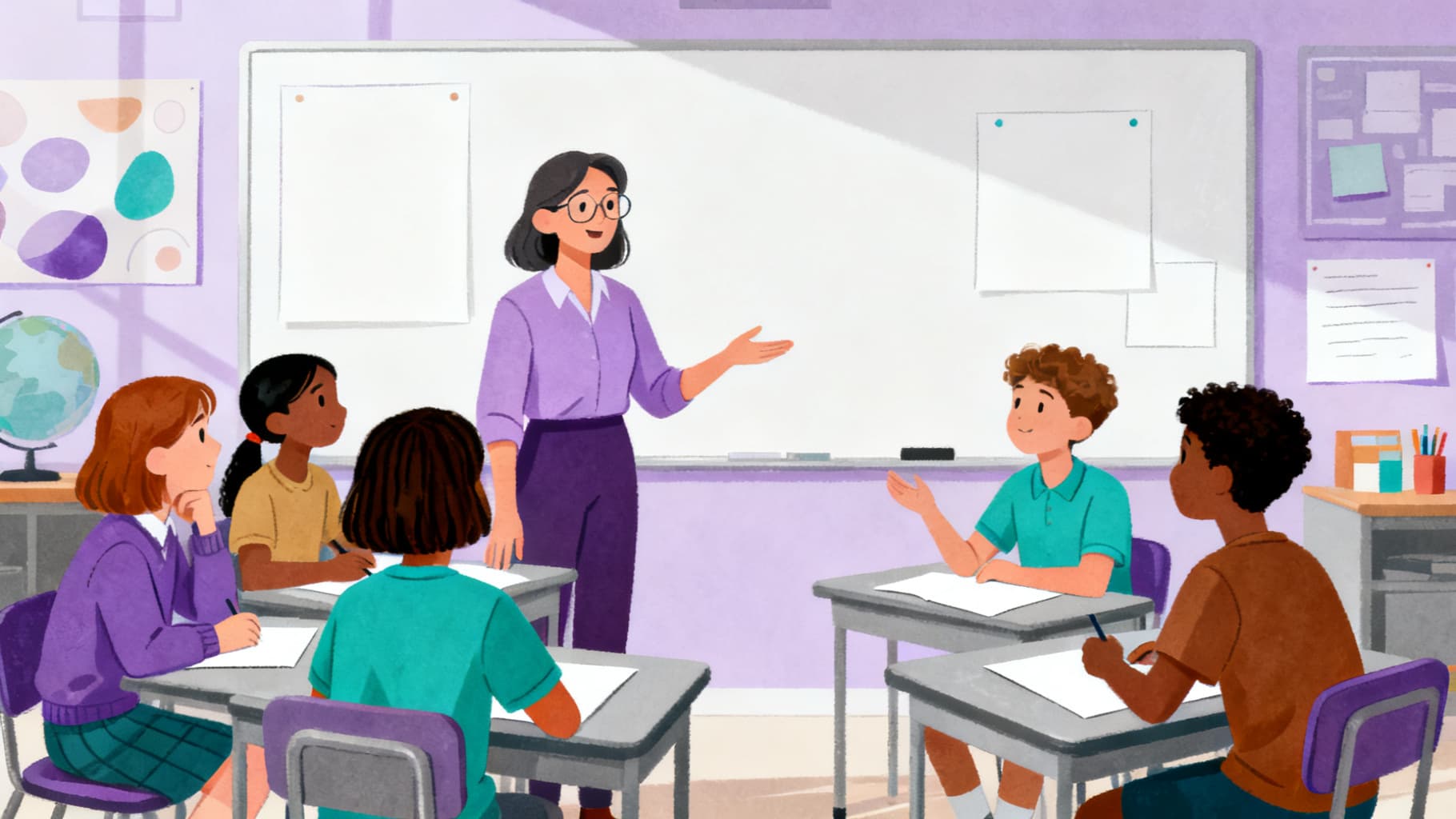
Social studies content is inherently multi-perspective. Every historical event, civic institution, and cultural practice can be examined from different viewpoints. A WebQuest harnesses this complexity by asking students to investigate multiple sources and form their own informed positions.
Unlike textbook-driven instruction that presents a single narrative, a social studies WebQuest teaches students that knowledge is constructed through evidence and interpretation — a foundational civic skill.
Topic Ideas Across Social Studies Disciplines
Social studies encompasses civics, geography, economics, history, and cultural studies. Each discipline offers rich WebQuest possibilities.
- Civics: Should voting be mandatory? Students research countries with compulsory voting and evaluate outcomes.
- Geography: Which city is best prepared for sea-level rise? Students compare adaptation plans using GIS data.
- Economics: Is free trade helping or hurting local industries? Students analyze trade data and community impacts.
- Culture: How do coming-of-age traditions differ across societies? Students compare rituals and their social functions.
- Current events: Should social media companies moderate political speech? Students examine policies and court cases.
Teaching Source Evaluation in Social Studies
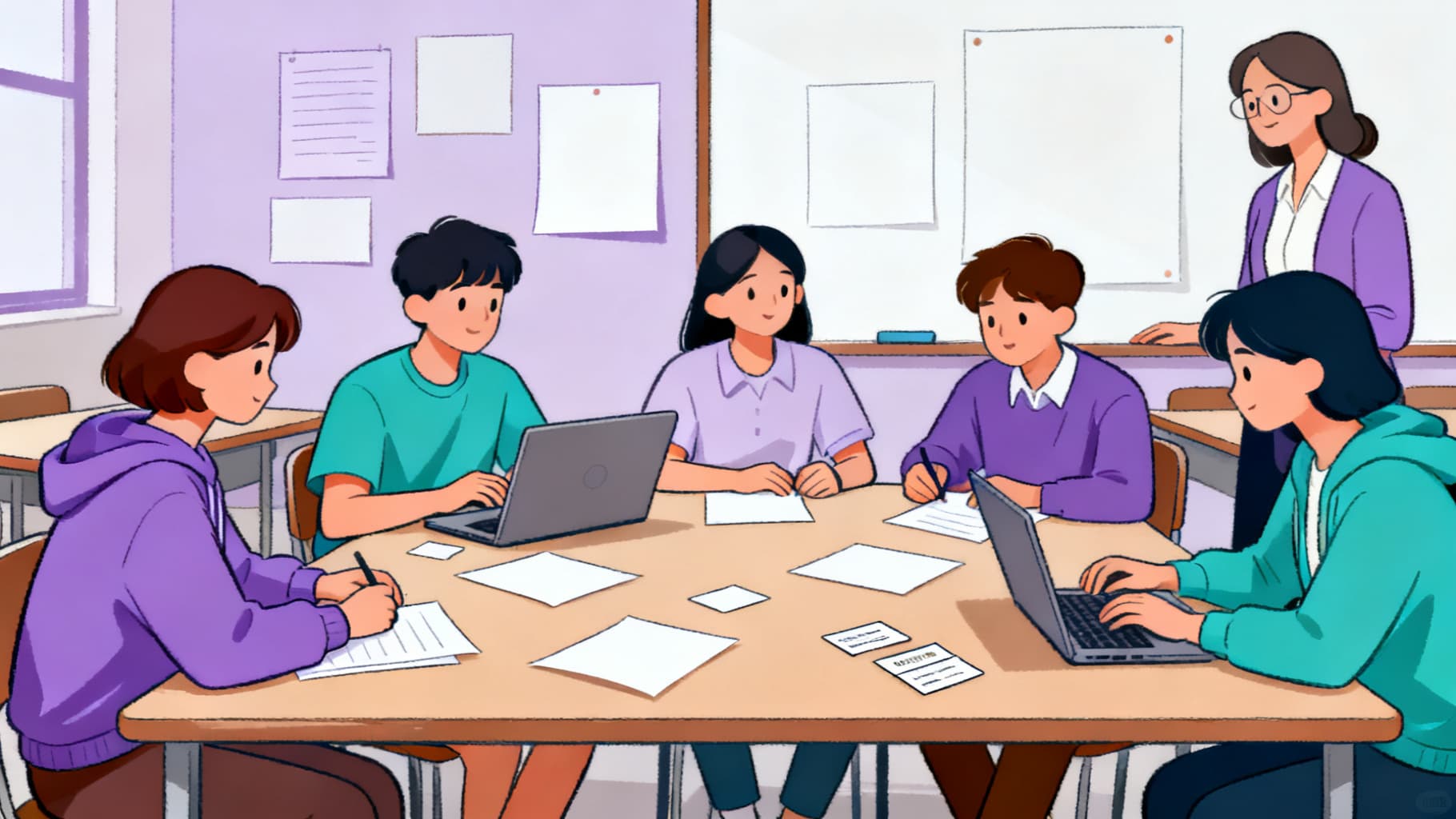
Social studies WebQuests are ideal for teaching media literacy. Include sources that disagree with each other — an editorial and a counter-editorial, a government report and a community response. Ask students to identify the perspective, evidence, and assumptions in each source.
This approach prepares students for civic participation where they must evaluate competing claims from politicians, news outlets, and advocacy groups.
Connecting WebQuests to Civic Action
End your social studies WebQuest with a civic action step. After researching an issue, students might write a letter to a local official, design an infographic for their school community, or propose a solution at a mock town hall. This moves learning from academic exercise to civic engagement.
Helpful Related Resources
Related guide
Ancient Egypt WebQuest for Students
Build an Ancient Egypt WebQuest around geography, daily life, pharaohs, pyramids, writing, and historical evidence.
Read guide →Related guide
Civil Rights Movement WebQuest for Social Studies
Guide students through a Civil Rights Movement WebQuest using speeches, photographs, legal decisions, and personal stories.
Read guide →Related guide
History WebQuest Ideas for Social Studies Classrooms
Create a history WebQuest that asks students to investigate primary sources, timelines, causes, consequences, and perspectives.
Read guide →Related guide
American Revolution WebQuest for History Teachers
Create an American Revolution WebQuest about causes, documents, perspectives, battles, and civic ideals.
Read guide →Sources and Further Reading
- WebQuest.org: Creating WebQuests: Original WebQuest community resource associated with Bernie Dodge.
- ERIC: Problem-Based Learning: What and How Do Students Learn?: Educational Psychology Review article record for Hmelo-Silver (2004).
- Cambridge Handbook of the Learning Sciences: Project-Based Learning: Krajcik and Shin chapter on project-based learning.
- Library of Congress: A Taxonomy for Learning, Teaching, and Assessing: Library of Congress record for Anderson and Krathwohl's revised Bloom taxonomy.
Ready to build your own?
Start with a structured WebQuest draft, then customize the resources, rubric, and student questions for your class.