
Adapt critical thinking exercises for kids with short scenarios, visual sorting, compare-and-contrast prompts, and simple evidence talk. Use it alongside the Critical Thinking Guides, then adapt the examples with the Create Critical Thinking Exercises.
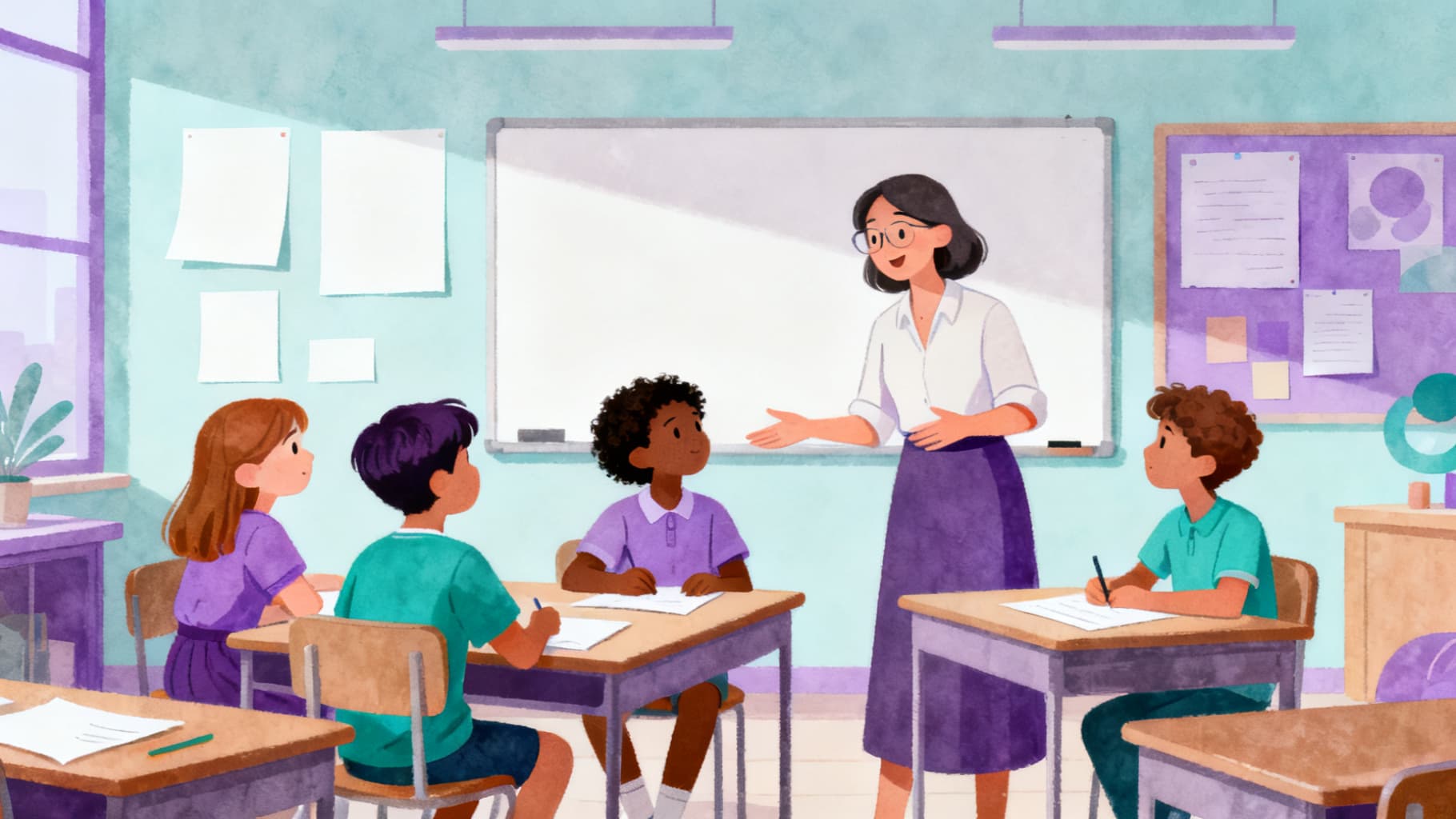
Making Reasoning Accessible for Young Learners
Children as young as five can engage in critical thinking when exercises are concrete, visual, and playful. The goal is not adult-level analysis but building foundational habits: looking carefully, asking why, considering alternatives, and explaining reasoning in their own words.
Young children are naturally curious and questioning. Critical thinking exercises for kids channel this curiosity into structured reasoning rather than suppressing it with demands for single correct answers.
Exercises for Ages 5-8 (Early Elementary)
Use visual and hands-on activities that require sorting, comparing, and explaining.
- Picture Puzzles: Show two similar images and ask "What's different? How do you know?"
- Sorting Games: Give students objects or cards to sort into groups, then ask them to explain their sorting rule.
- Story Predictions: Pause during a read-aloud and ask "What do you think will happen next? Why do you think that?"
- True or Silly: Present statements and ask students to decide if they are true or silly, then explain how they know.
- What If: Change one element of a familiar story and ask students to predict how everything else would change.
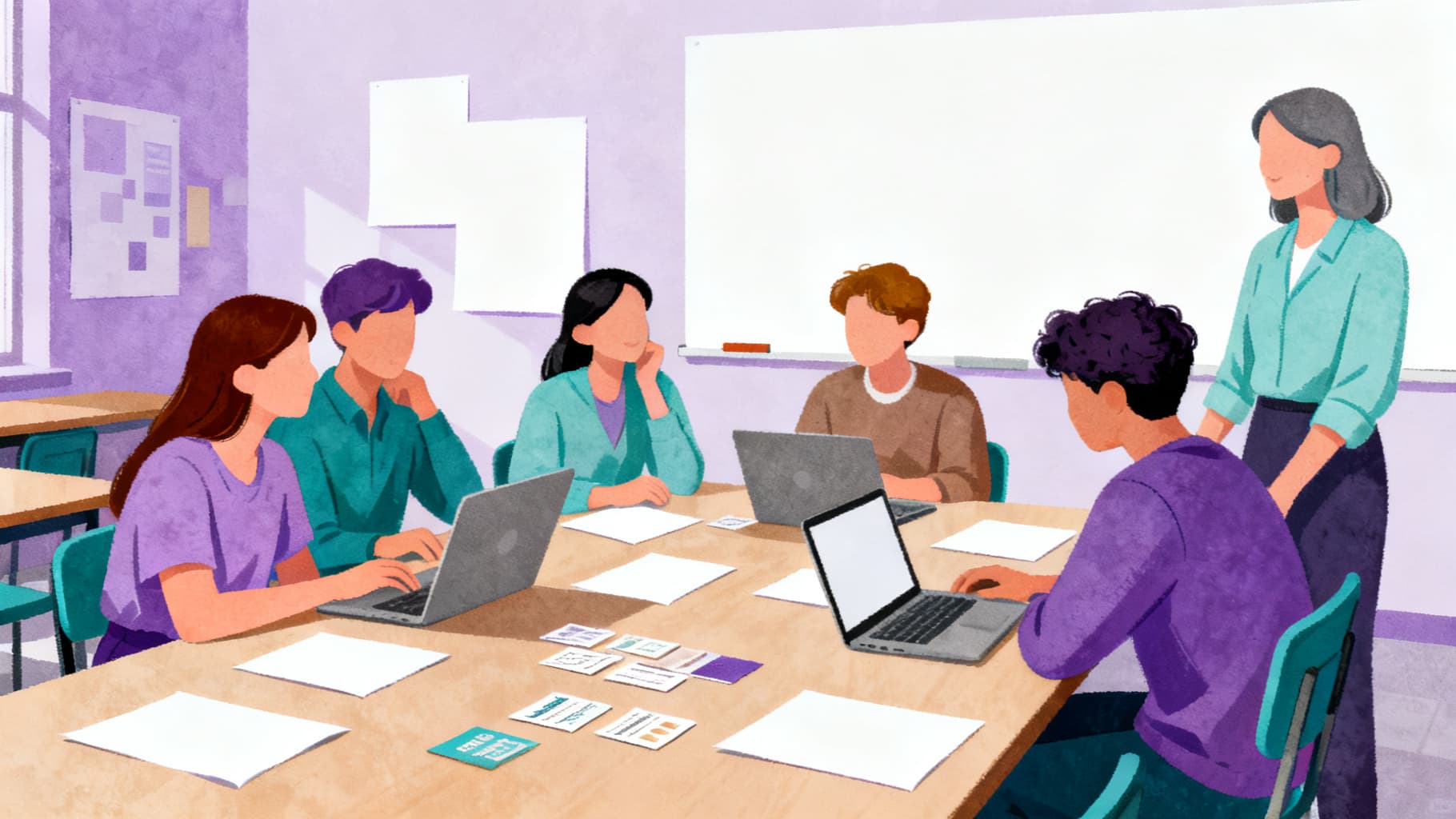
Exercises for Ages 8-11 (Upper Elementary)
Older elementary students can handle more complex scenarios and begin working with text-based evidence.
- Fact vs. Opinion Sorting: Give students a mix of statements and ask them to categorize and explain the difference.
- Advertisement Analysis: Show a kid-friendly ad and ask "What is this trying to make you feel? What information is missing?"
- Two Sides: Present a simple dilemma (should recess be longer?) and ask students to argue both sides before stating their own view.
- Evidence Scavenger Hunt: After reading a text, ask students to find the sentence that best supports a given claim.
- Cause and Effect Chains: Present an event and ask students to trace three causes and three effects.
Tips for Parents and Teachers
Keep exercises short (5-15 minutes for young children). Celebrate reasoning effort, not just correct answers. When a child says "because," follow up with "tell me more about that." Model your own thinking aloud so children see what reasoning sounds like. Make it safe to be wrong — critical thinking requires the courage to revise your ideas.
Helpful Related Resources
Related guide
Critical Thinking Worksheets for Teachers and Parents
Create critical thinking worksheets that combine short scenarios, source evaluation, reasoning stems, and reflection prompts.
Read guide →Related guide
Compare Arguments Questions for Critical Thinking
Use compare arguments questions to help students evaluate claims, evidence, assumptions, counterclaims, and reasoning quality.
Read guide →Related guide
Critical Thinking Exercises for Students
Use flexible critical thinking exercises for students that support evidence, reasoning, discussion, and reflection.
Read guide →Related guide
Critical Thinking Exercises for High School
Use high school critical thinking exercises for argument analysis, evidence evaluation, media literacy, and decision-making.
Read guide →Sources and Further Reading
- WebQuest.org: Creating WebQuests: Original WebQuest community resource associated with Bernie Dodge.
- ERIC: Problem-Based Learning: What and How Do Students Learn?: Educational Psychology Review article record for Hmelo-Silver (2004).
- Cambridge Handbook of the Learning Sciences: Project-Based Learning: Krajcik and Shin chapter on project-based learning.
- Library of Congress: A Taxonomy for Learning, Teaching, and Assessing: Library of Congress record for Anderson and Krathwohl's revised Bloom taxonomy.
Ready to build your own?
Generate critical thinking questions, hints, worksheets, and private guidance, then customize the exercise for your class.