
Use evaluate evidence exercises to help students judge relevance, reliability, sufficiency, and connection to a claim. Use it alongside the Critical Thinking Guides, then adapt the examples with the Create Critical Thinking Exercises.
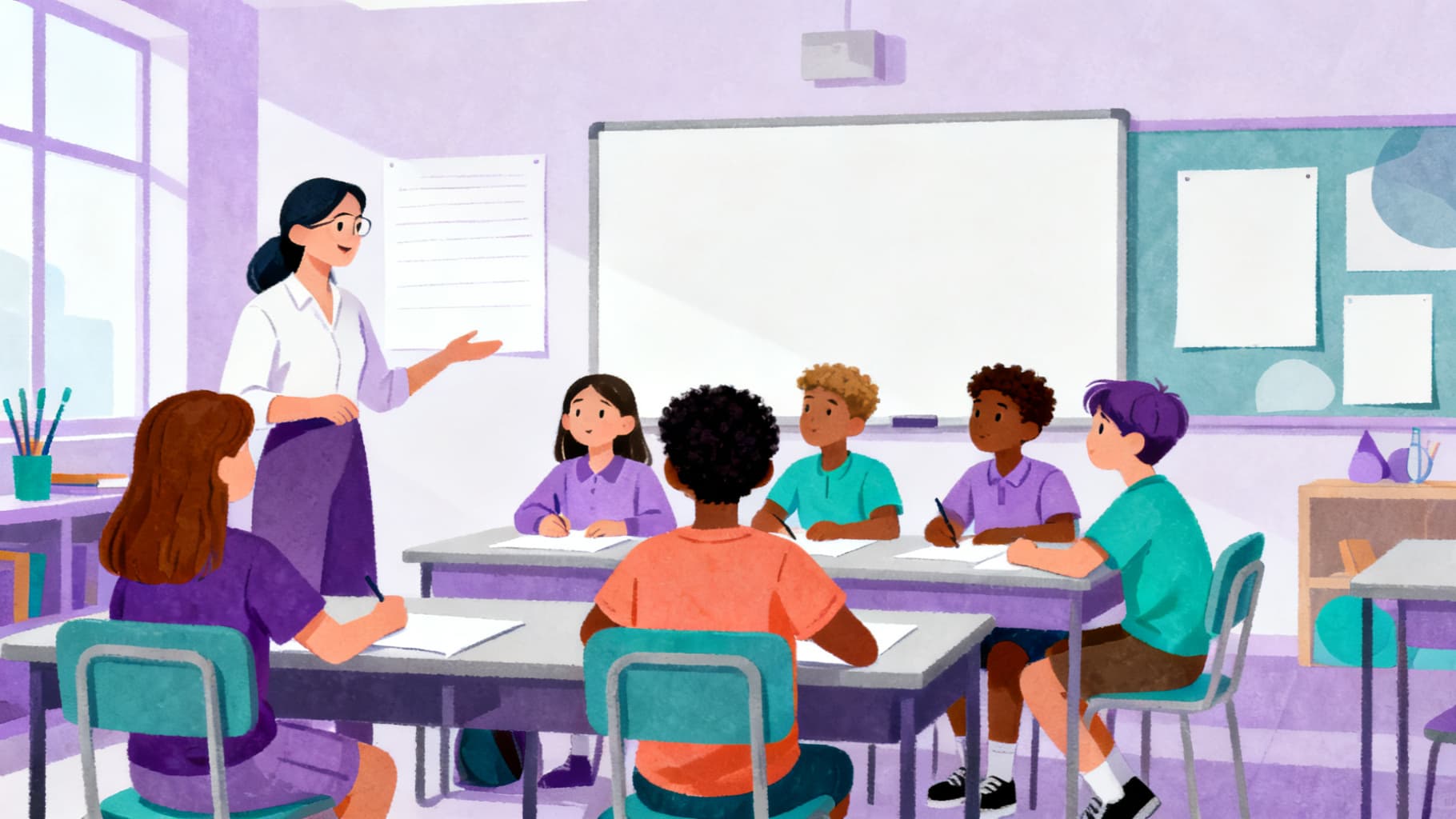
Why Evidence Evaluation Is a Foundational Skill
Every critical thinking task ultimately depends on evidence evaluation. Students cannot construct good arguments, make sound decisions, or evaluate claims without the ability to judge whether evidence is relevant, reliable, sufficient, and accurately interpreted. This skill transfers across every subject and into adult civic and professional life.
Many students treat all information as equally valid. Evidence evaluation exercises teach them to discriminate: not all sources are equal, not all data is relevant, and not all interpretations are supported by what the evidence actually shows.
Types of Evidence Evaluation Exercises
Design exercises that isolate specific evaluation skills.
- Relevance sorting: Give students a claim and five pieces of evidence. Ask them to rank which are most and least relevant, explaining their reasoning.
- Sufficiency judgment: Present a conclusion and ask students whether the evidence provided is enough to support it, or what additional evidence would be needed.
- Reliability assessment: Show students the same claim supported by different source types (peer-reviewed study, blog post, news article, social media) and ask them to evaluate reliability.
- Interpretation check: Present data (a graph, statistic, or quote) and two different interpretations. Ask students which interpretation the evidence actually supports.
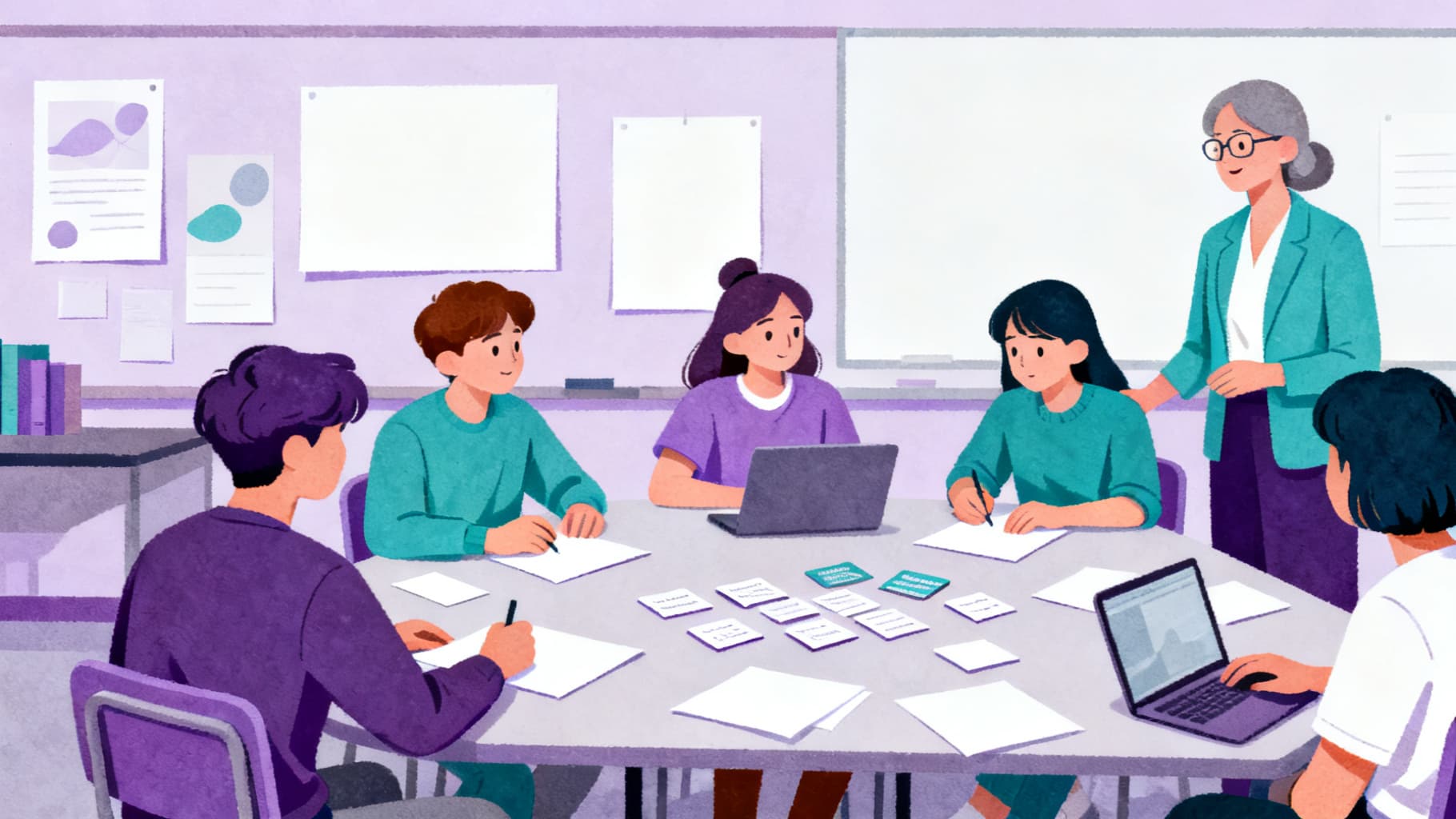
Teaching the Difference Between Evidence and Example
Students often confuse anecdotes with evidence. An example illustrates a point; evidence supports a claim. Teach students to ask: "Does this prove the claim is generally true, or does it just show one instance?" A single story about a successful entrepreneur does not prove that hard work always leads to success.
Use exercises where students must distinguish between evidence that demonstrates a pattern and examples that merely illustrate a possibility. This distinction is crucial for evaluating arguments in media, politics, and everyday life.
Building Evidence Evaluation Into Daily Instruction
You do not need a separate "evidence evaluation lesson." Embed the skill into existing content by regularly asking: "What evidence supports this claim in our textbook? Is it sufficient? What would make it stronger?" When students encounter data in science, ask them to evaluate sample size and methodology. When they read arguments in ELA, ask them to assess whether the evidence actually supports the conclusion.
Helpful Related Resources
Related guide
Critical Thinking Exercises for Students
Use flexible critical thinking exercises for students that support evidence, reasoning, discussion, and reflection.
Read guide →Related guide
Compare Arguments Questions for Critical Thinking
Use compare arguments questions to help students evaluate claims, evidence, assumptions, counterclaims, and reasoning quality.
Read guide →Related guide
Critical Thinking Exercises for High School
Use high school critical thinking exercises for argument analysis, evidence evaluation, media literacy, and decision-making.
Read guide →Related guide
Identify Bias Activities for Media Literacy
Teach students to identify bias with activities that compare language, sourcing, framing, missing voices, and evidence choices.
Read guide →Sources and Further Reading
- WebQuest.org: Creating WebQuests: Original WebQuest community resource associated with Bernie Dodge.
- ERIC: Problem-Based Learning: What and How Do Students Learn?: Educational Psychology Review article record for Hmelo-Silver (2004).
- Cambridge Handbook of the Learning Sciences: Project-Based Learning: Krajcik and Shin chapter on project-based learning.
- Library of Congress: A Taxonomy for Learning, Teaching, and Assessing: Library of Congress record for Anderson and Krathwohl's revised Bloom taxonomy.
Ready to build your own?
Generate critical thinking questions, hints, worksheets, and private guidance, then customize the exercise for your class.