
Understand what a critical thinking exercise is and how it helps learners analyze evidence, question assumptions, and explain reasoning. Use it alongside the Critical Thinking Guides, then adapt the examples with the Create Critical Thinking Exercises.
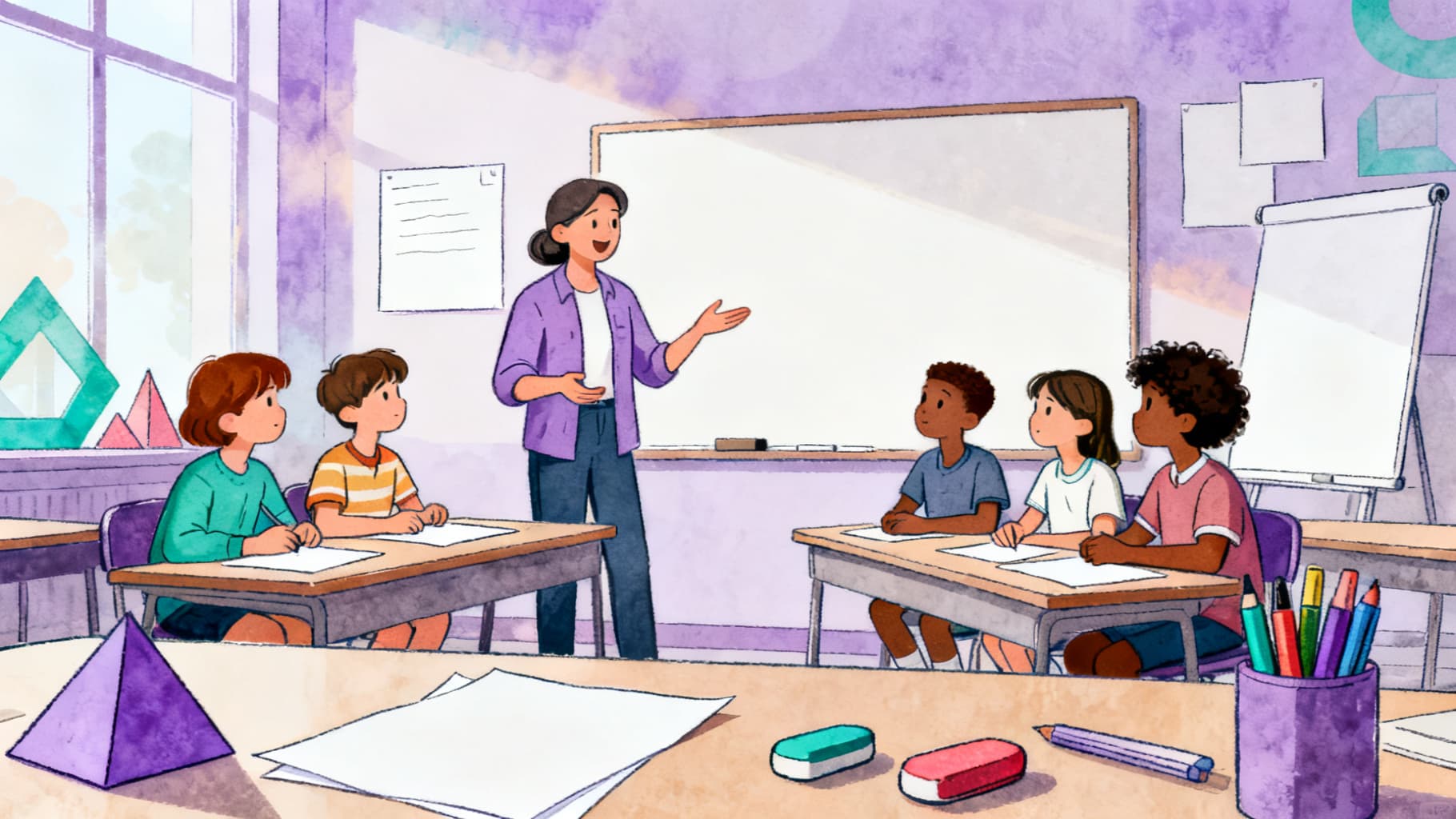
Defining Critical Thinking Exercises
A critical thinking exercise is a structured activity that asks learners to analyze information, evaluate evidence, identify assumptions, and construct reasoned arguments. Unlike recall-based tasks that test memory, critical thinking exercises require students to process, judge, and create meaning from what they encounter.
These exercises range from short five-minute warm-ups to multi-day investigations. What unites them is the demand for reasoning: students must explain why they believe something, what evidence supports their position, and what would change their mind.
How Critical Thinking Differs From Opinion Sharing
Asking students "What do you think?" without requiring evidence produces opinions. Asking "What do you think, and what evidence supports your position?" produces critical thinking. The difference is accountability to reasoning standards: relevance, accuracy, logical consistency, and fairness to other viewpoints.
Critical thinking exercises make reasoning visible. Students cannot simply assert a conclusion — they must show the path from evidence to interpretation to judgment. This visibility makes thinking teachable and improvable.
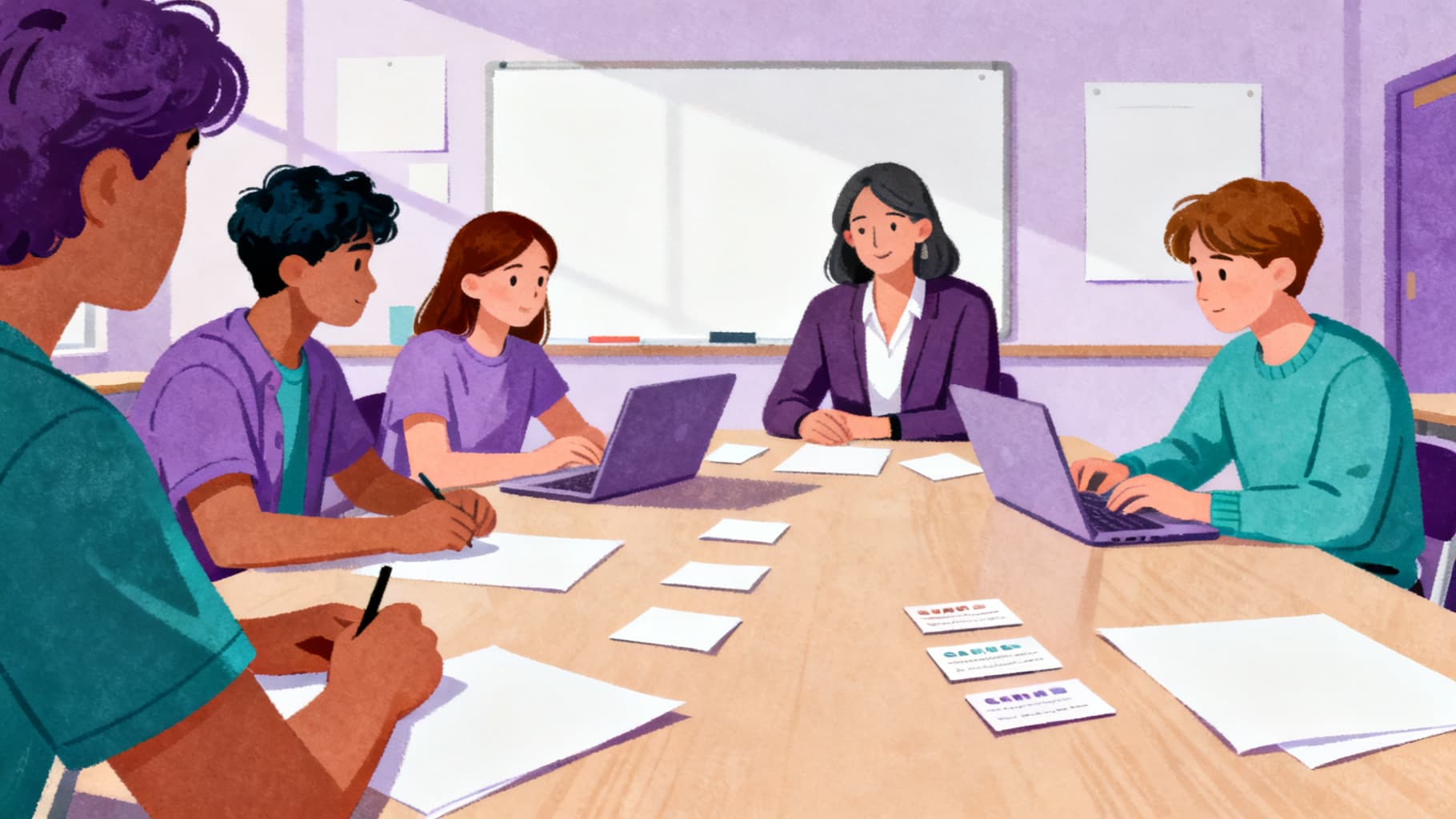
Key Skills Developed Through These Exercises
Regular practice with critical thinking exercises develops a cluster of transferable skills that serve students across all subjects and into adult life.
- Analysis: Breaking complex information into components to understand structure and relationships
- Evaluation: Judging the quality, relevance, and sufficiency of evidence and arguments
- Inference: Drawing reasonable conclusions from available evidence while acknowledging uncertainty
- Explanation: Articulating reasoning clearly so others can follow and critique the logic
- Self-regulation: Monitoring one's own thinking for bias, errors, and gaps
When and How to Use Critical Thinking Exercises
Use short exercises as bell-ringers to activate thinking at the start of class, as transitions between activities, or as exit tickets that check for understanding beyond recall. Use longer exercises as the core of a lesson when your learning objective involves analysis, evaluation, or argumentation.
The key is frequency. Critical thinking is a habit developed through regular practice, not a skill acquired in a single lesson. Even five minutes of structured reasoning practice daily produces measurable improvement over a semester.
Helpful Related Resources
Related guide
Critical Thinking Worksheets for Teachers and Parents
Create critical thinking worksheets that combine short scenarios, source evaluation, reasoning stems, and reflection prompts.
Read guide →Related guide
Critical Thinking Exercises for Students
Use flexible critical thinking exercises for students that support evidence, reasoning, discussion, and reflection.
Read guide →Related guide
Compare Arguments Questions for Critical Thinking
Use compare arguments questions to help students evaluate claims, evidence, assumptions, counterclaims, and reasoning quality.
Read guide →Related guide
Claim-Evidence-Reasoning Worksheet Guide
Build a claim-evidence-reasoning worksheet that helps students connect claims, accurate evidence, and clear explanations.
Read guide →Sources and Further Reading
- WebQuest.org: Creating WebQuests: Original WebQuest community resource associated with Bernie Dodge.
- ERIC: Problem-Based Learning: What and How Do Students Learn?: Educational Psychology Review article record for Hmelo-Silver (2004).
- Cambridge Handbook of the Learning Sciences: Project-Based Learning: Krajcik and Shin chapter on project-based learning.
- Library of Congress: A Taxonomy for Learning, Teaching, and Assessing: Library of Congress record for Anderson and Krathwohl's revised Bloom taxonomy.
Ready to build your own?
Generate critical thinking questions, hints, worksheets, and private guidance, then customize the exercise for your class.