
Use ELA WebQuest activities to support close reading, research writing, author study, media analysis, and discussion. Use it alongside the WebQuest Guides, then adapt the examples with the Generate a WebQuest.
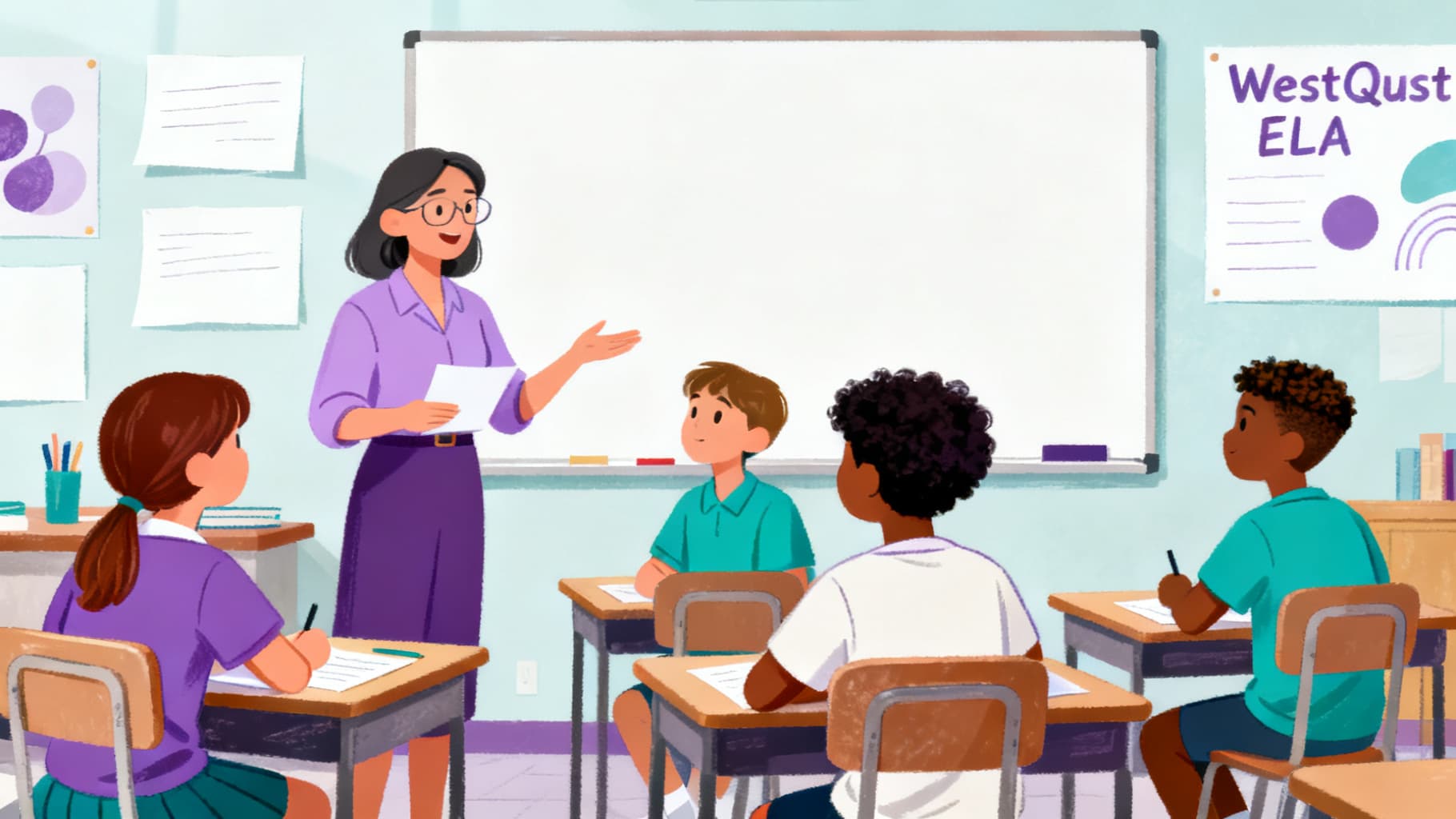
Integrating Web Research Into ELA Instruction
English Language Arts is not just about reading fiction — it also requires students to evaluate arguments, analyze rhetoric, conduct research, and communicate effectively. An ELA WebQuest builds these skills by immersing students in real texts, real arguments, and real communication challenges.
WebQuests complement novel studies, writing units, and media literacy lessons by giving students authentic research tasks that strengthen reading comprehension and argumentative writing simultaneously.
ELA WebQuest Ideas by Skill Focus
Design your ELA WebQuest around the specific literacy skill you want to develop.
- Author study: Research an author's life and context, then argue how biography influenced their writing
- Rhetoric analysis: Compare persuasive techniques in three advertisements or political speeches
- Research writing: Investigate a debatable topic and produce a source-based argument essay
- Media literacy: Evaluate how the same news event is covered by different outlets
- Genre study: Research the origins and conventions of a literary genre, then write an original example
Supporting Reading Comprehension Through WebQuests
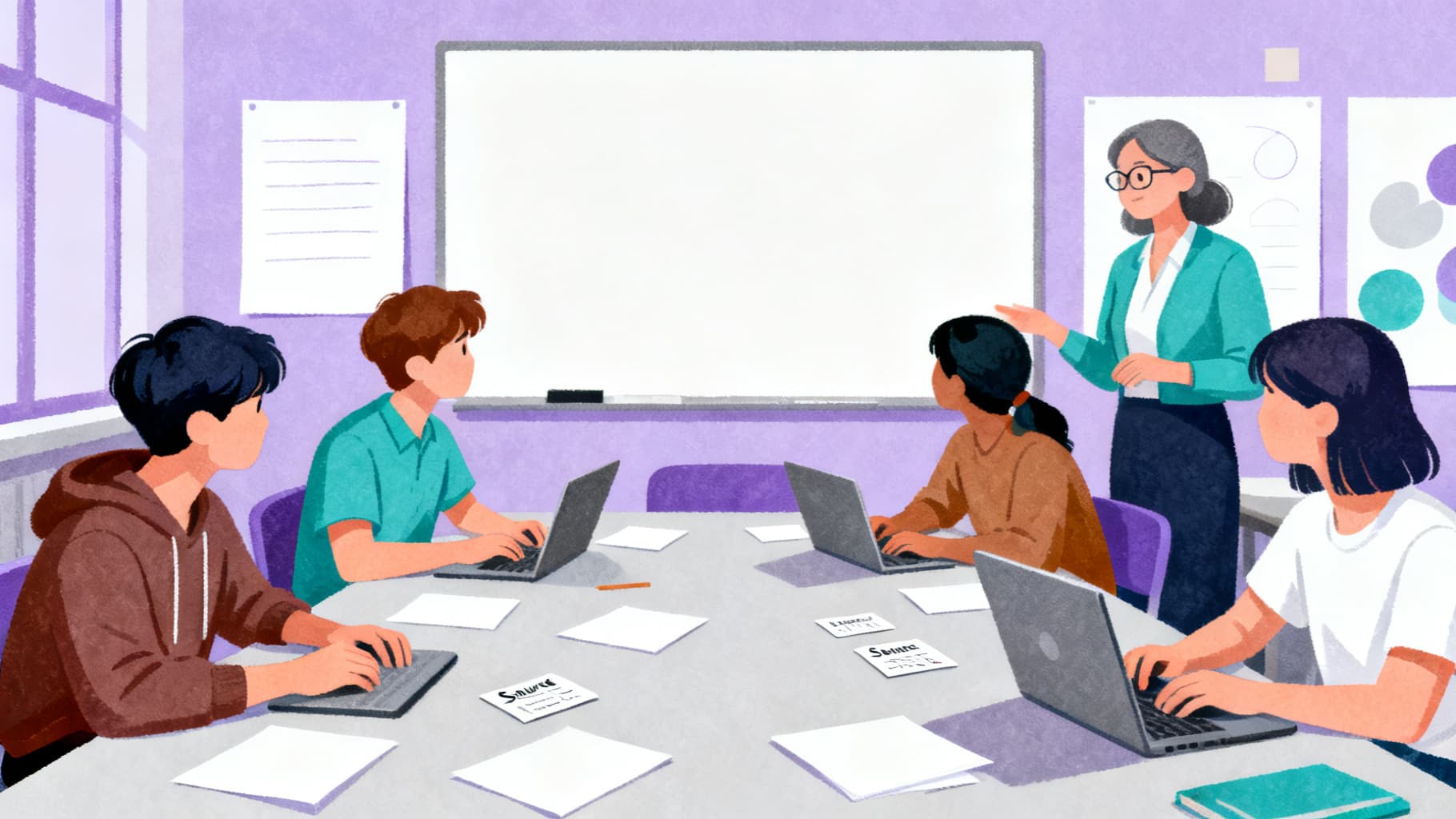
WebQuests naturally build reading stamina because students read with purpose. They know they need specific information to complete their task, which motivates close reading. Provide annotation guides or note-catchers that ask students to identify claims, evidence, and rhetorical moves as they read.
For struggling readers, pair complex texts with shorter summaries or video explainers. The WebQuest structure ensures they still engage with the demanding texts while having scaffolded entry points.
Connecting WebQuests to Writing Assignments
Use the WebQuest as the research phase of a larger writing assignment. Students gather evidence and perspectives during the WebQuest, then draft an argumentative or informational essay using what they found. This makes the writing process more authentic because students write from genuine understanding rather than superficial Googling.
Helpful Related Resources
Related guide
Media Literacy WebQuest: Helping Students Evaluate Online Information
Teach source evaluation with a media literacy WebQuest that asks students to check evidence, bias, authorship, and context.
Read guide →Related guide
AI Literacy WebQuest: Teaching Students About Artificial Intelligence
Use an AI literacy WebQuest to help students ask informed questions about AI tools, bias, privacy, and responsible use.
Read guide →Related guide
Critical Thinking Activities for Adults
Use critical thinking activities for adults in workplace learning, media literacy, civic discussion, and personal decision-making.
Read guide →Related guide
Ancient Egypt WebQuest for Students
Build an Ancient Egypt WebQuest around geography, daily life, pharaohs, pyramids, writing, and historical evidence.
Read guide →Sources and Further Reading
- WebQuest.org: Creating WebQuests: Original WebQuest community resource associated with Bernie Dodge.
- ERIC: Problem-Based Learning: What and How Do Students Learn?: Educational Psychology Review article record for Hmelo-Silver (2004).
- Cambridge Handbook of the Learning Sciences: Project-Based Learning: Krajcik and Shin chapter on project-based learning.
- Library of Congress: A Taxonomy for Learning, Teaching, and Assessing: Library of Congress record for Anderson and Krathwohl's revised Bloom taxonomy.
Ready to build your own?
Start with a structured WebQuest draft, then customize the resources, rubric, and student questions for your class.