
Teach source evaluation with a media literacy WebQuest that asks students to check evidence, bias, authorship, and context. Use it alongside the WebQuest Guides, then adapt the examples with the Generate a WebQuest.
Why Media Literacy Is a Survival Skill
Students encounter thousands of media messages daily — news articles, social media posts, advertisements, videos, and memes. Without media literacy skills, they cannot distinguish reliable information from manipulation. A media literacy WebQuest teaches students systematic methods for evaluating what they see and read online.
Media literacy is not about teaching students to distrust everything. It is about giving them tools to make informed judgments about credibility, purpose, and quality.
Source Evaluation Frameworks for Students
Teach students a repeatable process for evaluating sources. The SIFT method (Stop, Investigate the source, Find better coverage, Trace claims) provides a practical framework that works across media types.
- Stop: Pause before sharing or believing. Check your emotional reaction.
- Investigate the source: Who published this? What is their expertise and motivation?
- Find better coverage: What do other reliable sources say about the same claim?
- Trace claims: Where did this information originate? Can you find the primary source?
Hands-On Media Analysis Activities
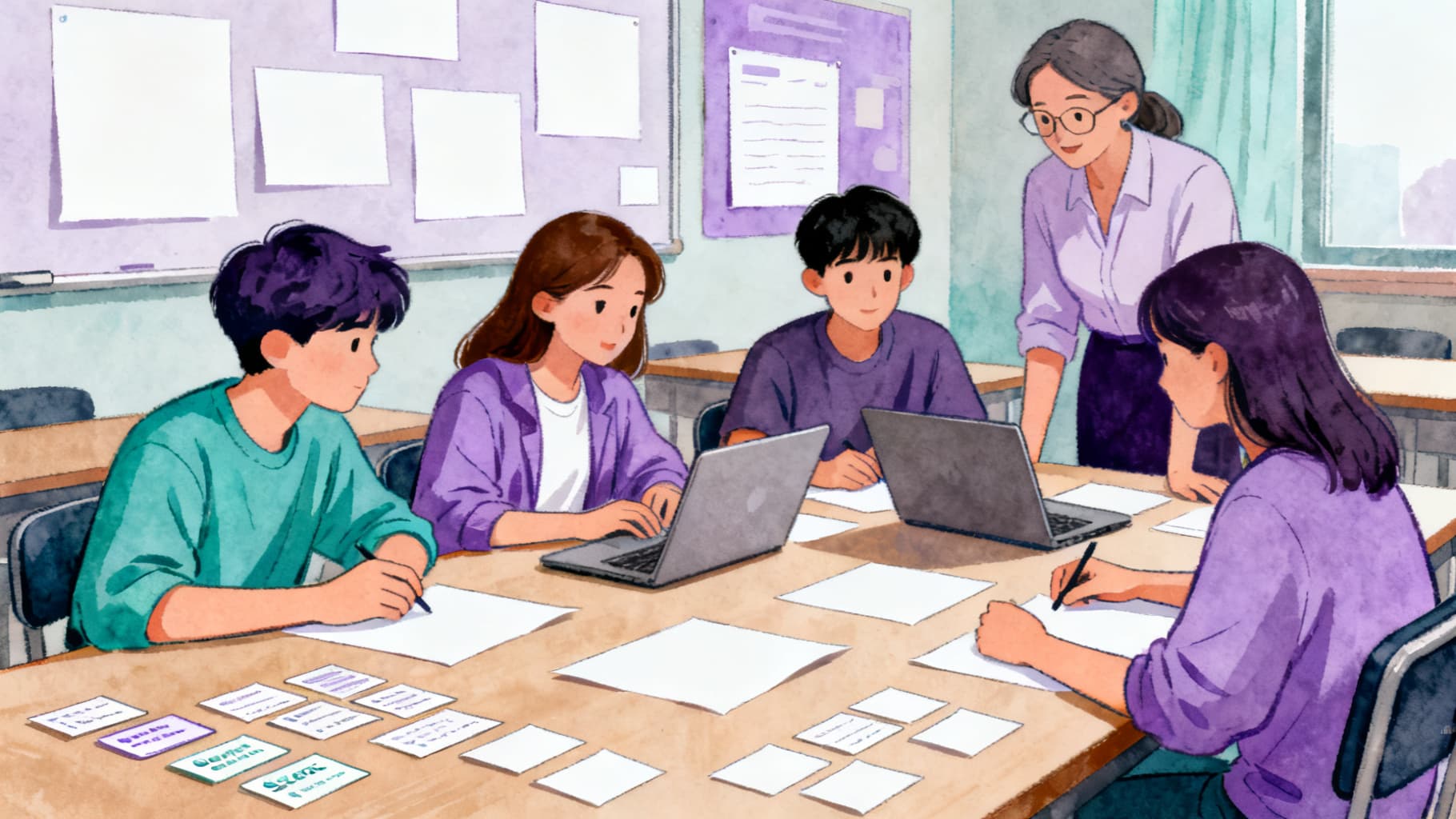
Include activities where students compare how different outlets cover the same event. Ask them to identify differences in headline framing, source selection, image choice, and what information is included or omitted. This comparative approach reveals how editorial choices shape understanding.
Use archived examples of debunked misinformation to show students how false claims are constructed and why they spread. Fact-checking organizations like Snopes and PolitiFact provide detailed breakdowns students can study.
Connecting Media Literacy to Student Content Creation
Students are not just media consumers — they are creators. End your WebQuest by asking students to apply what they learned to their own content. How can they create social media posts, presentations, or videos that are accurate, fair, and transparent about sources? This producer perspective reinforces consumer literacy skills.
Helpful Related Resources
Related guide
Identify Bias Activities for Media Literacy
Teach students to identify bias with activities that compare language, sourcing, framing, missing voices, and evidence choices.
Read guide →Related guide
AI Literacy WebQuest: Teaching Students About Artificial Intelligence
Use an AI literacy WebQuest to help students ask informed questions about AI tools, bias, privacy, and responsible use.
Read guide →Related guide
ELA WebQuest Ideas for Reading and Writing Lessons
Use ELA WebQuest activities to support close reading, research writing, author study, media analysis, and discussion.
Read guide →Related guide
Art WebQuest Ideas for Creative Classroom Research
Design an art WebQuest where students investigate artists, movements, visual evidence, cultural context, and creative choices.
Read guide →Sources and Further Reading
- WebQuest.org: Creating WebQuests: Original WebQuest community resource associated with Bernie Dodge.
- ERIC: Problem-Based Learning: What and How Do Students Learn?: Educational Psychology Review article record for Hmelo-Silver (2004).
- Cambridge Handbook of the Learning Sciences: Project-Based Learning: Krajcik and Shin chapter on project-based learning.
- Library of Congress: A Taxonomy for Learning, Teaching, and Assessing: Library of Congress record for Anderson and Krathwohl's revised Bloom taxonomy.
Ready to build your own?
Start with a structured WebQuest draft, then customize the resources, rubric, and student questions for your class.