
Choose middle school critical thinking exercises that are concrete, discussion-friendly, and tied to real classroom topics. Use it alongside the Critical Thinking Guides, then adapt the examples with the Create Critical Thinking Exercises.
Why Middle School Is the Critical Window
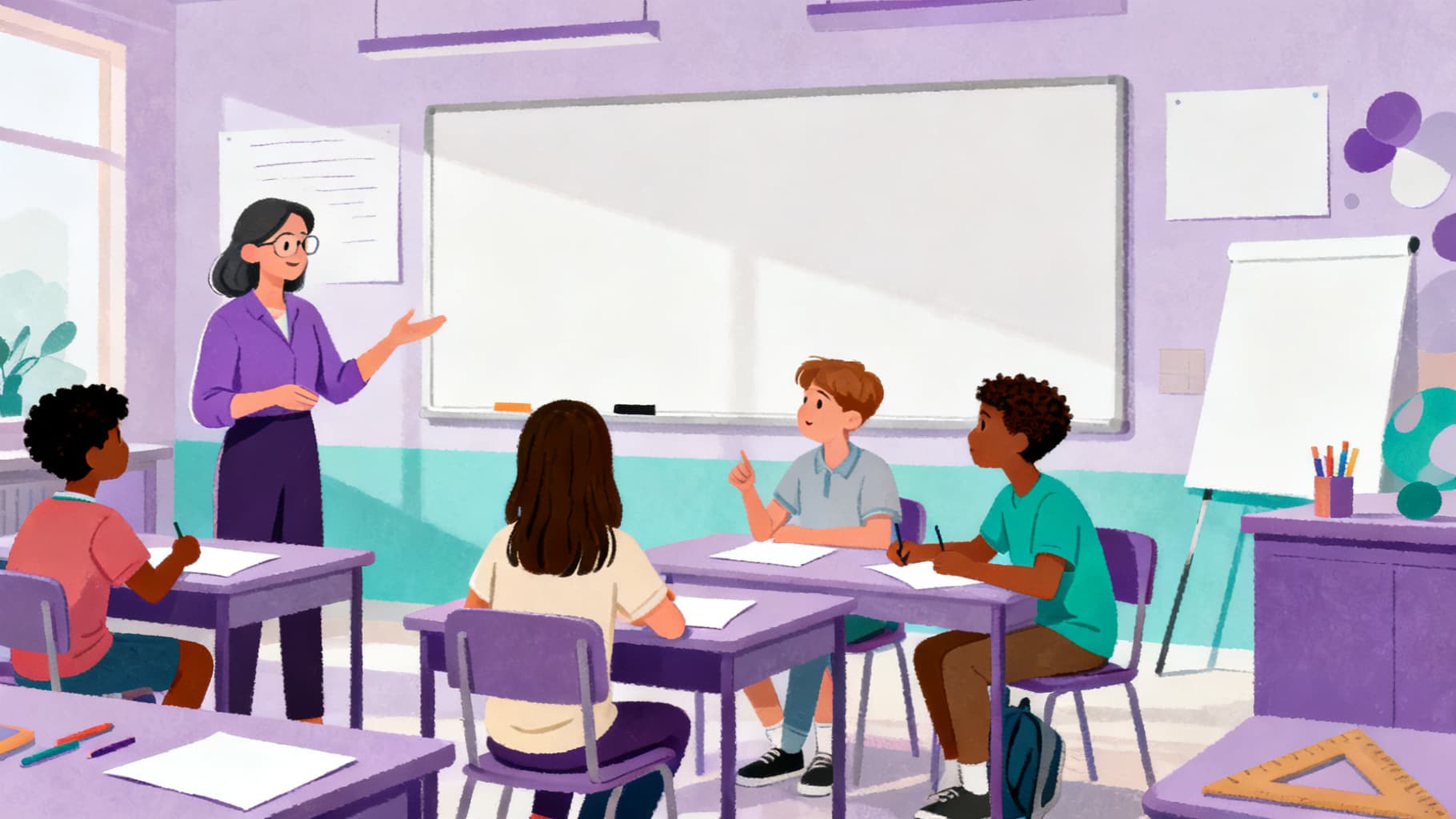
Middle school students are developmentally ready for abstract reasoning but still need concrete scaffolding. Their brains are building the neural pathways for hypothetical thinking, perspective-taking, and logical analysis. Critical thinking exercises at this age establish habits that shape how students approach complex problems for the rest of their education.
The key is meeting students where they are: use real scenarios they care about, provide clear structures for organizing their thinking, and gradually increase complexity as their confidence grows.
Exercises That Work for Ages 11-14
Middle schoolers respond best to exercises grounded in concrete, relatable scenarios rather than abstract philosophical puzzles.
- Would You Rather (with evidence): Present two options and require students to justify their choice with three reasons, then respond to the strongest counterargument.
- Source Showdown: Give students two articles on the same topic that disagree. Ask which is more credible and why.
- Assumption Detective: Present a common claim (like an advertisement) and ask students to identify three hidden assumptions.
- Consequence Mapping: Present a decision and ask students to trace three levels of consequences (immediate, short-term, long-term).
- Perspective Flip: After reading about a historical event, ask students to rewrite the account from a different stakeholder's viewpoint.
Managing Discussion With Middle Schoolers
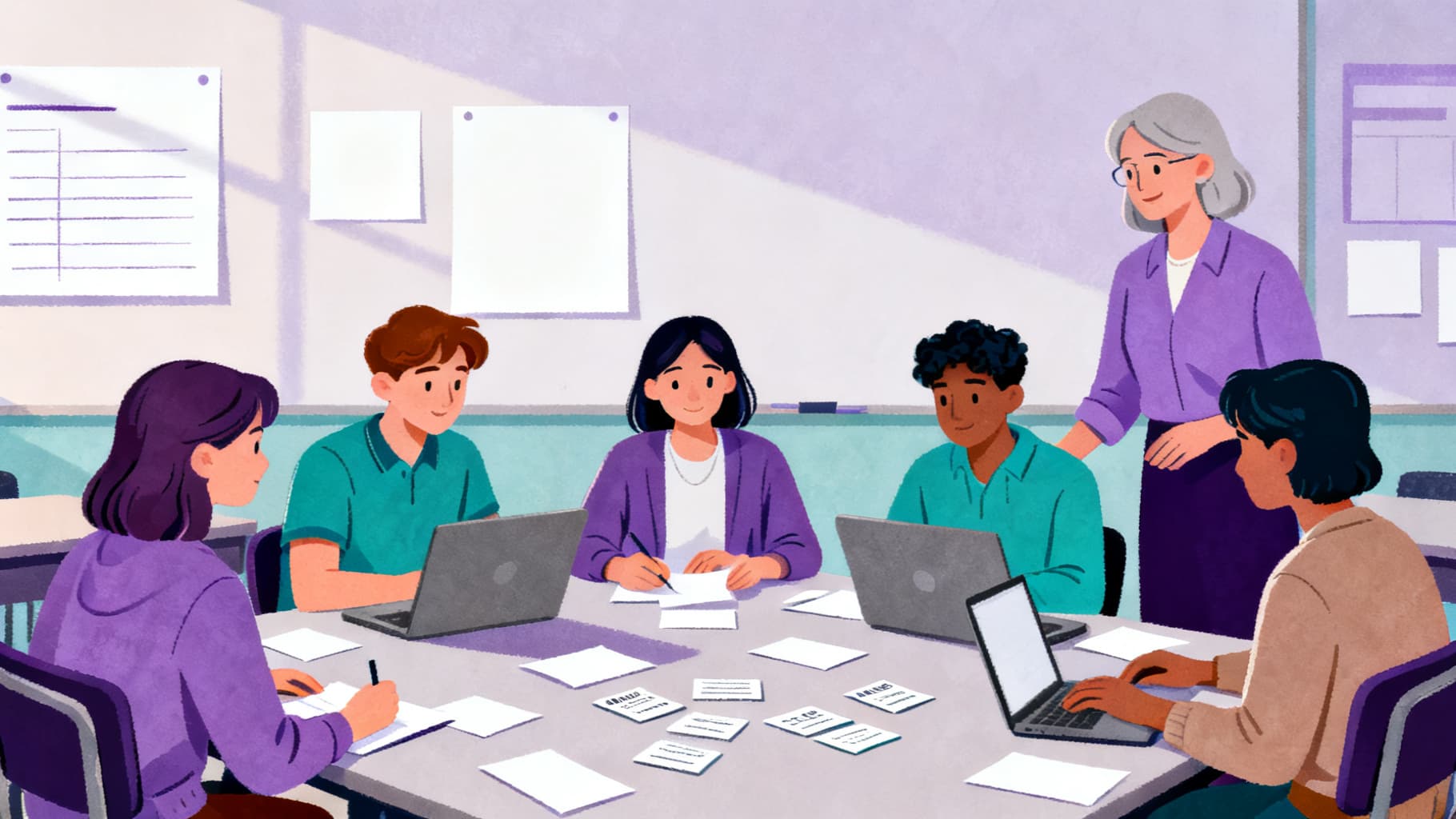
Middle school students often conflate disagreement with personal attack. Teach discussion protocols explicitly: "I disagree with the idea because..." rather than "You're wrong." Use structured formats like Socratic Seminar with clear speaking norms before attempting open discussion.
Start with written responses before oral discussion. When students write their reasoning first, they enter discussions with prepared thoughts rather than improvising under social pressure.
Building Toward Independence
Begin the year with highly structured exercises where you model the reasoning process explicitly. By mid-year, reduce scaffolding so students generate their own analytical questions. By year's end, students should be able to encounter a new claim and independently ask: What evidence supports this? What assumptions does it make? What perspective is missing?
Helpful Related Resources
Related guide
Critical Thinking Exercises for Students
Use flexible critical thinking exercises for students that support evidence, reasoning, discussion, and reflection.
Read guide →Related guide
Critical Thinking Questions for Students
Write critical thinking questions that move students beyond recall into explanation, comparison, evaluation, and transfer.
Read guide →Related guide
Critical Thinking Activities for the Classroom
Plan critical thinking activities that work in whole-class discussion, small groups, stations, and independent practice.
Read guide →Related guide
Critical Thinking Exercises for High School
Use high school critical thinking exercises for argument analysis, evidence evaluation, media literacy, and decision-making.
Read guide →Sources and Further Reading
- WebQuest.org: Creating WebQuests: Original WebQuest community resource associated with Bernie Dodge.
- ERIC: Problem-Based Learning: What and How Do Students Learn?: Educational Psychology Review article record for Hmelo-Silver (2004).
- Cambridge Handbook of the Learning Sciences: Project-Based Learning: Krajcik and Shin chapter on project-based learning.
- Library of Congress: A Taxonomy for Learning, Teaching, and Assessing: Library of Congress record for Anderson and Krathwohl's revised Bloom taxonomy.
Ready to build your own?
Generate critical thinking questions, hints, worksheets, and private guidance, then customize the exercise for your class.