
Plan media literacy activities where students evaluate sources, check claims, inspect visuals, and discuss credibility. Use it alongside the Critical Thinking Guides, then adapt the examples with the Create Critical Thinking Exercises.
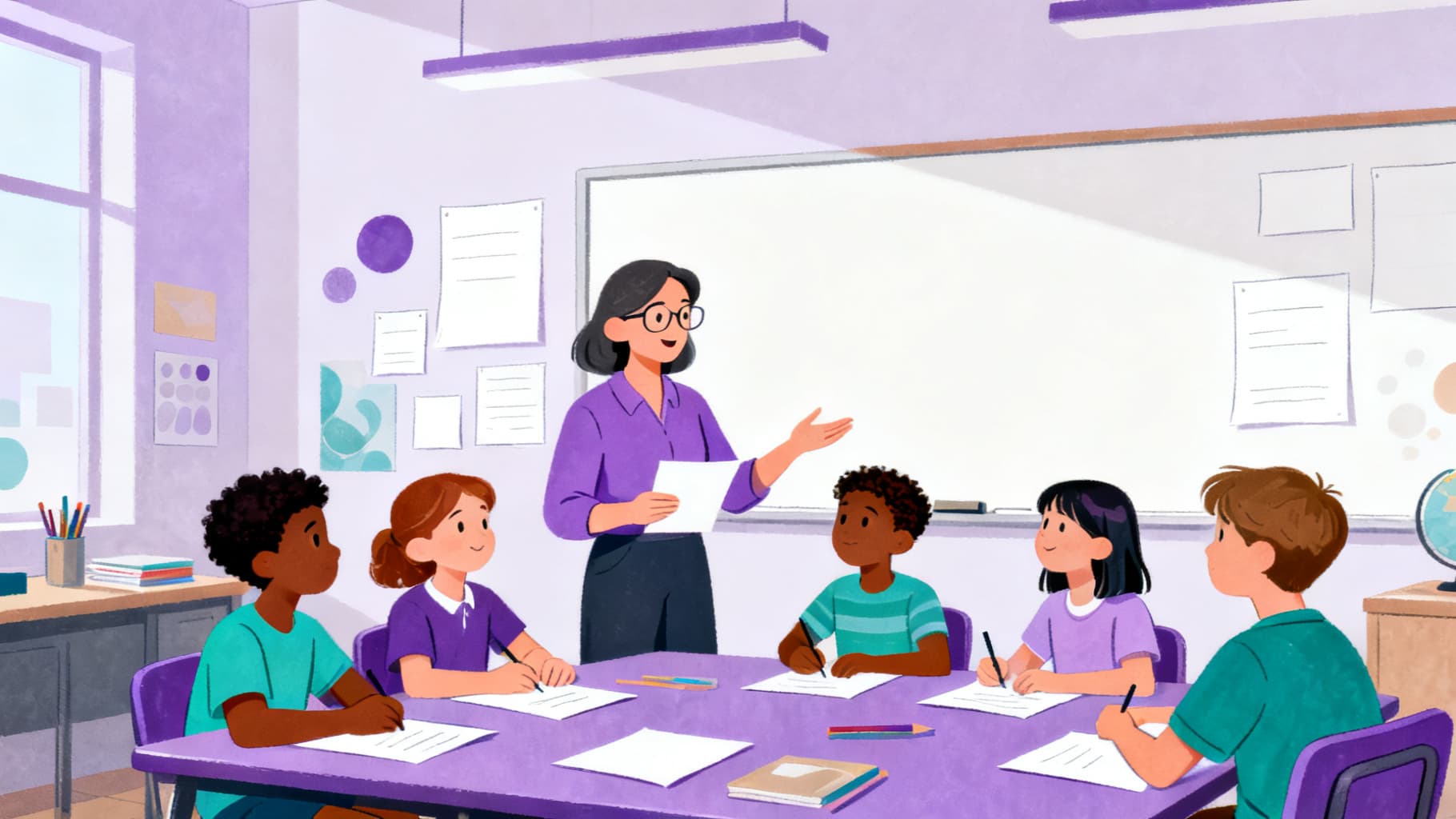
Why Media Literacy Is Essential for Modern Students
Students encounter more information in a single day than previous generations encountered in a month. Without media literacy skills, they cannot distinguish journalism from opinion, advertising from information, or credible sources from misinformation. Media literacy activities give students systematic tools for navigating this landscape.
Media literacy is not about teaching students to distrust media. It is about teaching them to engage with media thoughtfully — understanding how messages are constructed, who creates them, what purposes they serve, and what techniques they use to influence audiences.
Activities for Evaluating News and Information
These activities build the habit of verification before belief or sharing.
- Lateral Reading Practice: Give students a claim and teach them to open new tabs to check what other sources say about the publisher before reading the full article.
- Reverse Image Search: Show students how to verify whether an image is authentic, current, and correctly captioned.
- Headline vs. Article: Give students a sensational headline and the full article. Ask what the headline implies versus what the article actually says.
- Source Mapping: Ask students to research who owns a media outlet, who funds it, and what editorial perspective it represents.
- Claim Tracing: Start with a social media post making a factual claim. Ask students to trace it back to the original source.
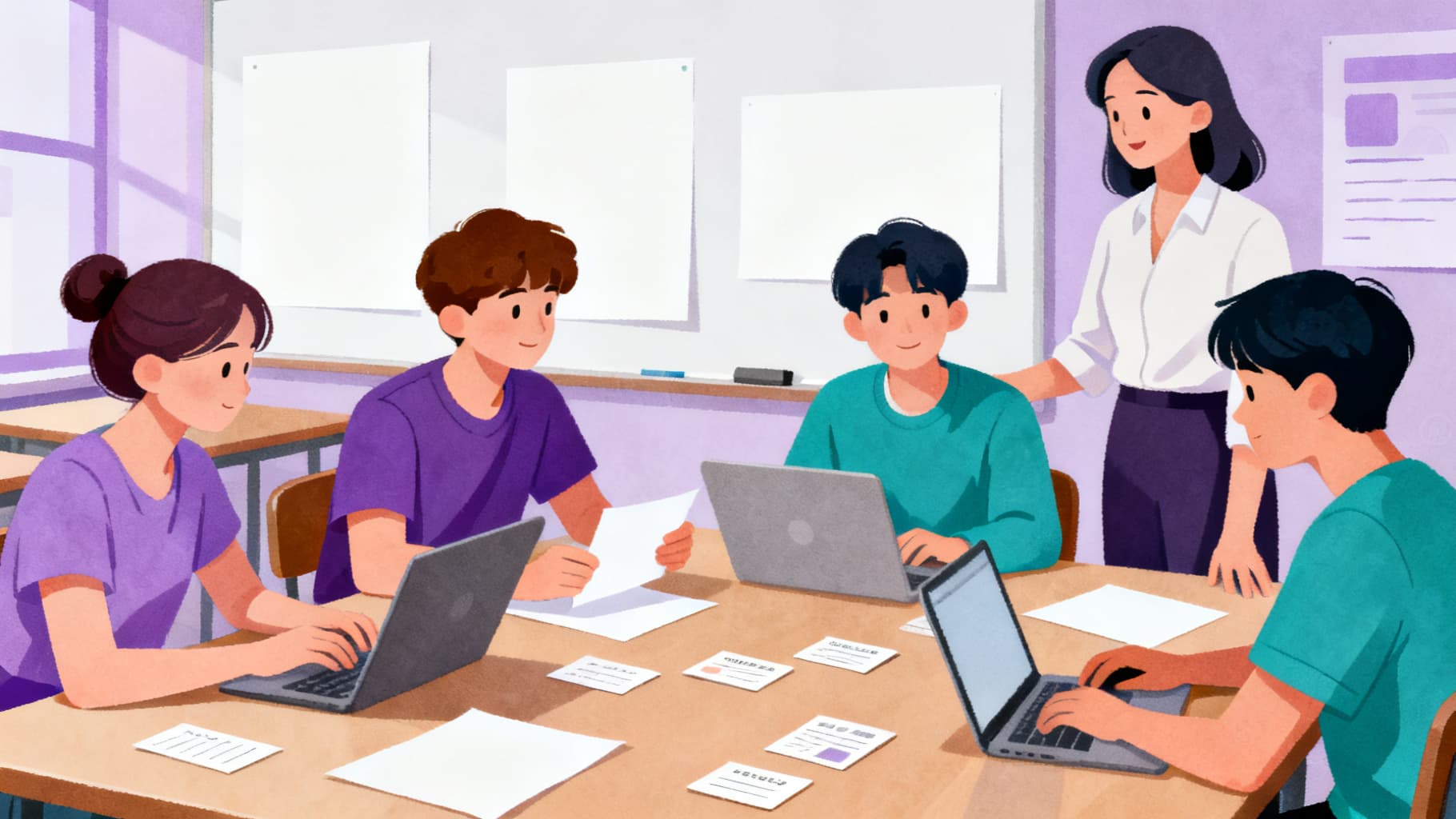
Activities for Analyzing Persuasion Techniques
Teach students to recognize how media messages are constructed to influence their thinking, emotions, and behavior. Analyze advertisements, political messaging, and social media content for techniques like emotional appeal, bandwagon effect, false authority, and selective evidence presentation.
Have students create their own persuasive media and then analyze the techniques they used. This producer perspective deepens their understanding of how persuasion works.
Building Lifelong Media Literacy Habits
The goal is not to complete a media literacy unit and move on. The goal is to build habits that students use automatically whenever they encounter information. Reinforce these habits across all subjects: check sources in science, evaluate perspectives in history, analyze rhetoric in ELA. Media literacy is not a separate subject — it is a lens for all learning.
Helpful Related Resources
Related guide
Identify Bias Activities for Media Literacy
Teach students to identify bias with activities that compare language, sourcing, framing, missing voices, and evidence choices.
Read guide →Related guide
Critical Thinking Activities for Adults
Use critical thinking activities for adults in workplace learning, media literacy, civic discussion, and personal decision-making.
Read guide →Related guide
Evaluate Evidence Exercises for Students
Use evaluate evidence exercises to help students judge relevance, reliability, sufficiency, and connection to a claim.
Read guide →Related guide
Critical Thinking Exercises for High School
Use high school critical thinking exercises for argument analysis, evidence evaluation, media literacy, and decision-making.
Read guide →Sources and Further Reading
- WebQuest.org: Creating WebQuests: Original WebQuest community resource associated with Bernie Dodge.
- ERIC: Problem-Based Learning: What and How Do Students Learn?: Educational Psychology Review article record for Hmelo-Silver (2004).
- Cambridge Handbook of the Learning Sciences: Project-Based Learning: Krajcik and Shin chapter on project-based learning.
- Library of Congress: A Taxonomy for Learning, Teaching, and Assessing: Library of Congress record for Anderson and Krathwohl's revised Bloom taxonomy.
Ready to build your own?
Generate critical thinking questions, hints, worksheets, and private guidance, then customize the exercise for your class.