
Plan a climate change WebQuest where students evaluate evidence, compare impacts, and propose informed solutions. Use it alongside the WebQuest Guides, then adapt the examples with the Generate a WebQuest.
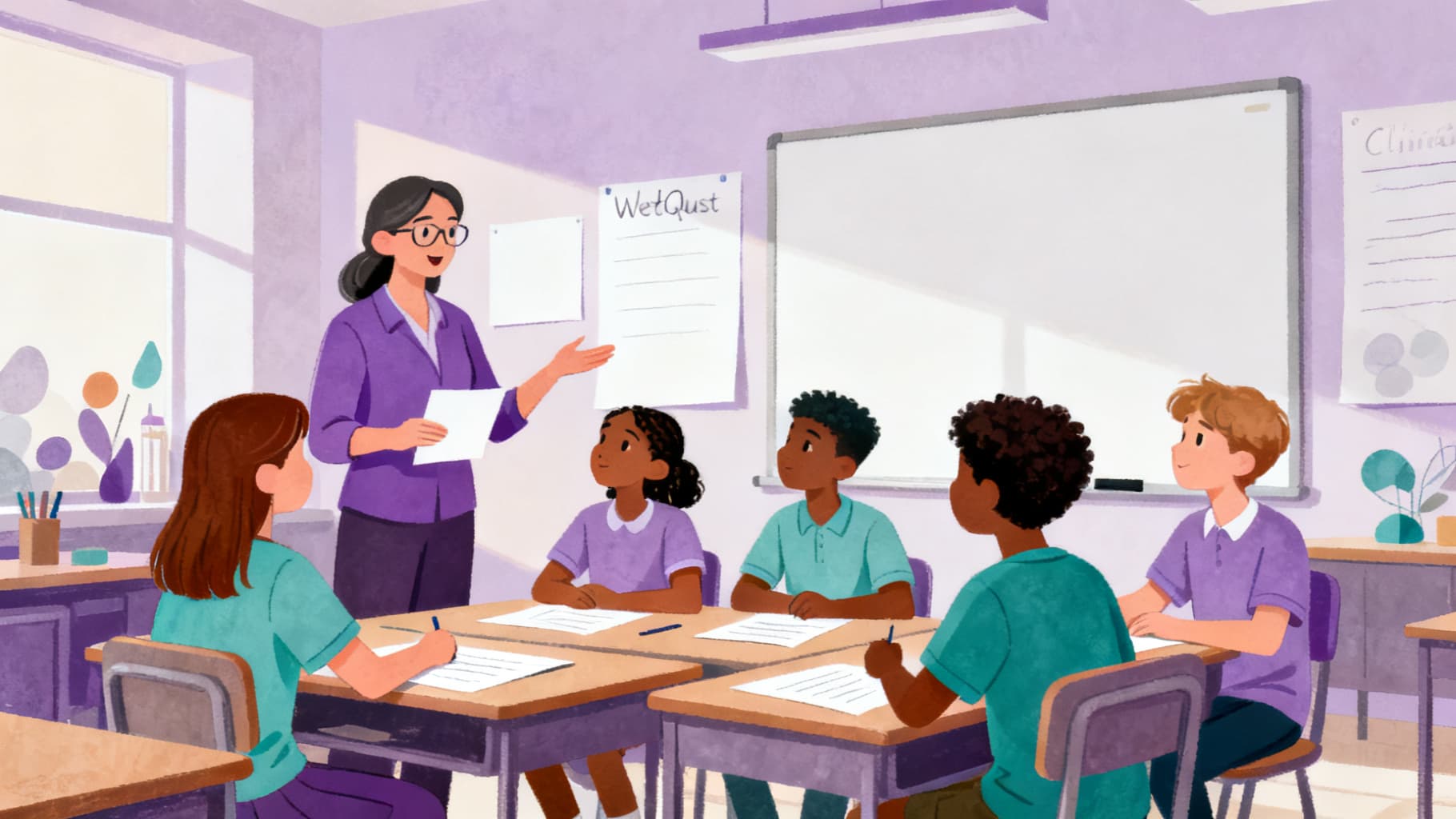
Why Climate Change Works Well as a WebQuest Topic
Climate change is a topic where students encounter competing claims, complex data, and real policy debates. A WebQuest gives students a structured way to evaluate evidence rather than simply accepting or rejecting claims based on prior beliefs.
Because climate science involves data interpretation, source evaluation, and policy analysis, it naturally develops multiple literacy skills simultaneously. Students practice reading graphs, evaluating scientific credibility, and weighing tradeoffs.
Structuring a Climate Change WebQuest for Middle School
Focus on a specific, local question rather than the entire global issue. "How will climate change affect our region in the next 30 years?" is more manageable and engaging than "Is climate change real?" Students can access local climate projections, compare adaptation strategies from similar communities, and propose evidence-based recommendations.
- Use NOAA Climate Explorer for local temperature and precipitation projections
- Compare adaptation plans from two similar-sized cities
- Analyze how specific industries or ecosystems in your region will be affected
- Research one mitigation strategy and evaluate its feasibility locally
- Present findings as a community briefing document or infographic
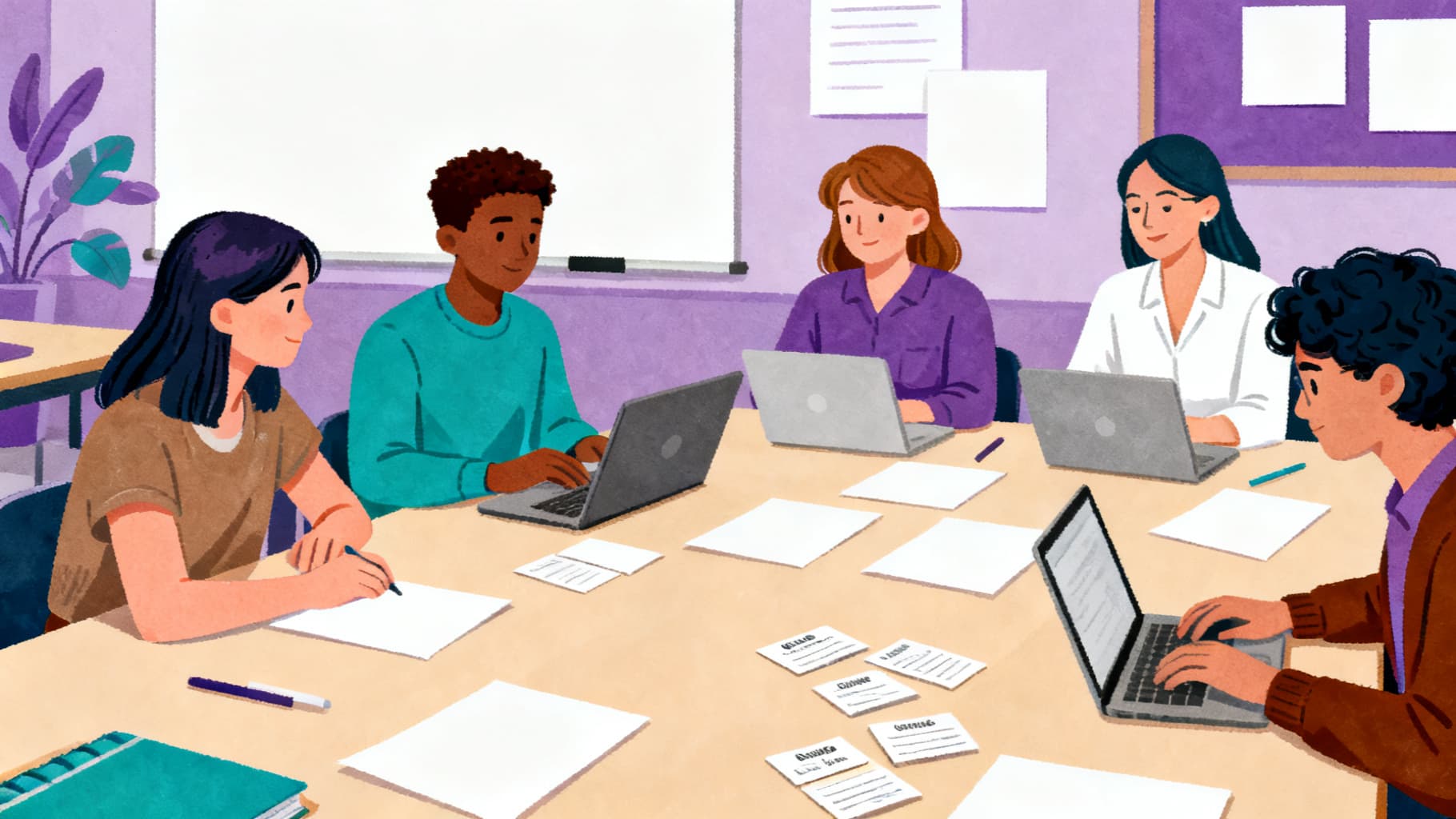
Teaching Students to Evaluate Climate Sources
Include a source evaluation step where students distinguish between peer-reviewed research, government agency reports, news coverage, and advocacy materials. Teach them to check who funded the research, whether claims are supported by data, and whether the source distinguishes between established science and areas of active debate.
This is not about teaching students what to think about climate change — it is about teaching them how to evaluate evidence on any complex scientific topic.
Connecting Climate Research to Student Action
End the WebQuest with a solutions-oriented task. Students might calculate their school's carbon footprint, propose a realistic reduction plan, write to a local official about infrastructure resilience, or design an awareness campaign based on their research findings.
Helpful Related Resources
Related guide
Solar System WebQuest for Science Classrooms
Design a solar system WebQuest that helps students compare planets, missions, scale, orbits, and scientific discoveries.
Read guide →Related guide
Science WebQuest Ideas for Middle School Teachers
Use science WebQuest ideas for ecosystems, space, weather, energy, and human impact investigations.
Read guide →Related guide
Media Literacy WebQuest: Helping Students Evaluate Online Information
Teach source evaluation with a media literacy WebQuest that asks students to check evidence, bias, authorship, and context.
Read guide →Related guide
Ancient Egypt WebQuest for Students
Build an Ancient Egypt WebQuest around geography, daily life, pharaohs, pyramids, writing, and historical evidence.
Read guide →Sources and Further Reading
- WebQuest.org: Creating WebQuests: Original WebQuest community resource associated with Bernie Dodge.
- ERIC: Problem-Based Learning: What and How Do Students Learn?: Educational Psychology Review article record for Hmelo-Silver (2004).
- Cambridge Handbook of the Learning Sciences: Project-Based Learning: Krajcik and Shin chapter on project-based learning.
- Library of Congress: A Taxonomy for Learning, Teaching, and Assessing: Library of Congress record for Anderson and Krathwohl's revised Bloom taxonomy.
Ready to build your own?
Start with a structured WebQuest draft, then customize the resources, rubric, and student questions for your class.