
Use science WebQuest ideas for ecosystems, space, weather, energy, and human impact investigations. Use it alongside the WebQuest Guides, then adapt the examples with the Generate a WebQuest.
Why Science and WebQuests Are a Natural Fit
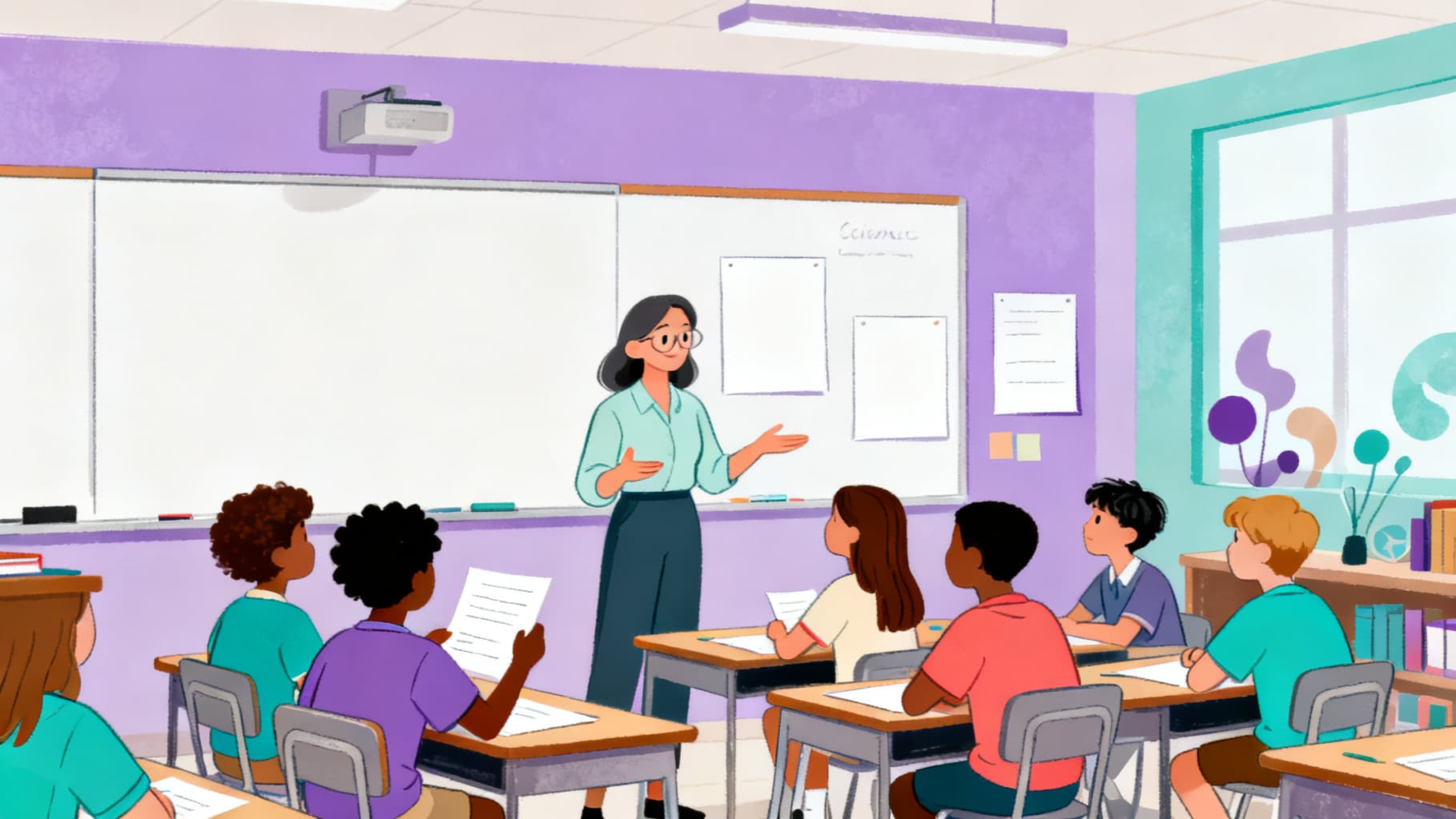
Science instruction already emphasizes inquiry, evidence, and explanation — the same skills a WebQuest develops. A science WebQuest gives students a structured way to investigate real phenomena using authentic data sources, research articles, and multimedia simulations.
Unlike a traditional lab where variables are controlled, a science WebQuest lets students explore messy, real-world questions: Should we build a wind farm here? How does plastic pollution affect marine food webs? What evidence supports plate tectonics?
Science WebQuest Ideas by Topic
Choose topics where students can access real data and multiple perspectives. Earth science, ecology, space exploration, and human health all work well because public agencies publish accessible data sets and explanations.
- Ecosystems: Compare how two biomes respond to climate change using NASA and NOAA data
- Energy: Evaluate three renewable energy options for your school using cost and output data
- Weather: Analyze a historical storm using radar archives and news reports
- Human body: Investigate how vaccines work using CDC resources and peer-reviewed summaries
- Space: Compare Mars mission proposals and recommend which to fund based on scientific goals
Incorporating the Scientific Method
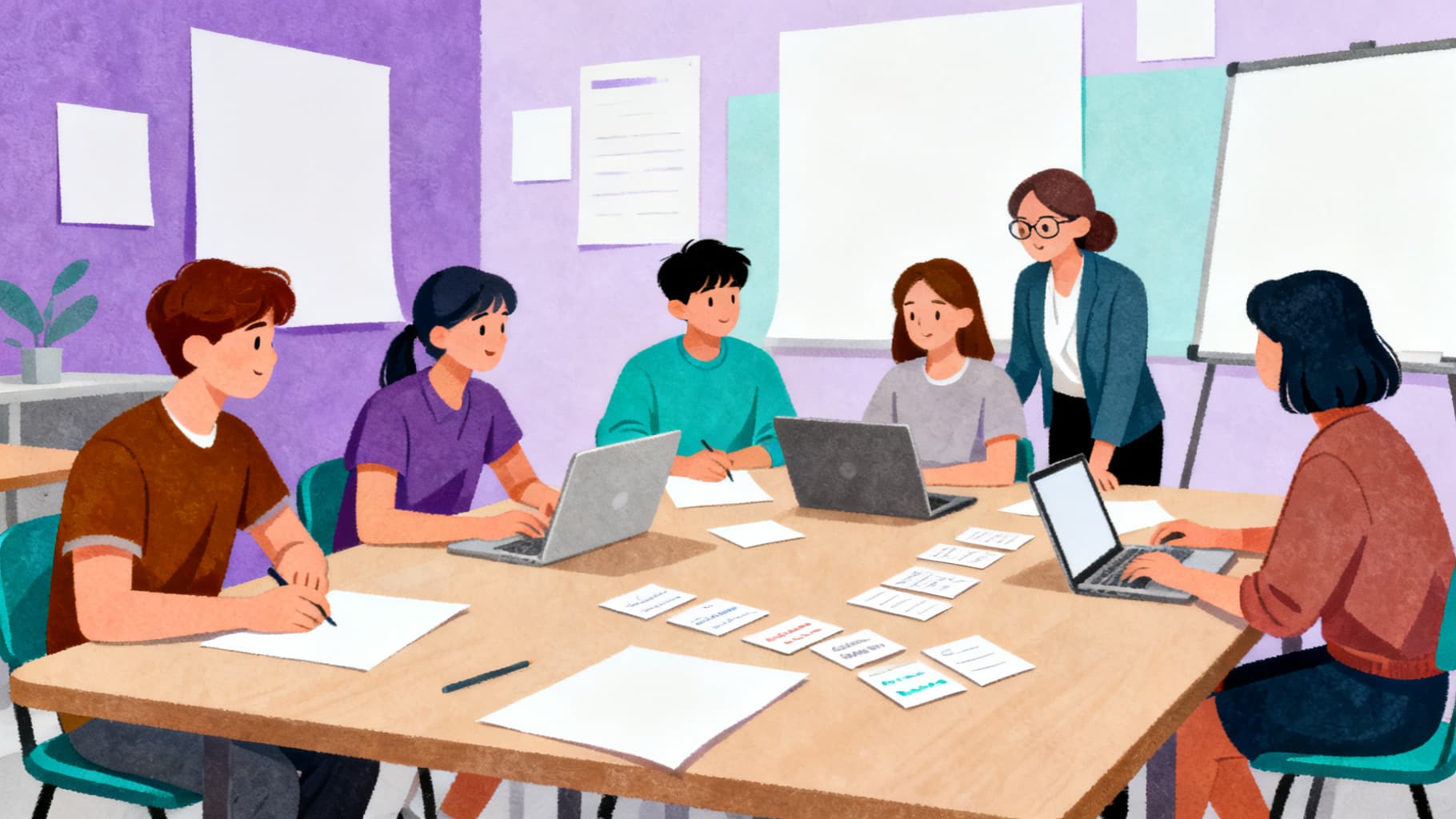
A science WebQuest is not a replacement for hands-on experiments, but it can strengthen the research and analysis phases of scientific inquiry. Ask students to form a hypothesis before reading sources, then revise their hypothesis based on evidence they find.
Include a step where students identify limitations in their sources. Are the data current? Is the sample size large enough? Does the source distinguish correlation from causation? These questions build scientific literacy alongside content knowledge.
Assessment Ideas for Science WebQuests
Ask students to produce something that mirrors real scientific communication: a research poster, a data summary with visualizations, a recommendation memo, or a short video explaining their findings to a non-expert audience. Assess both scientific accuracy and reasoning quality.
Helpful Related Resources
Related guide
Solar System WebQuest for Science Classrooms
Design a solar system WebQuest that helps students compare planets, missions, scale, orbits, and scientific discoveries.
Read guide →Related guide
Climate Change WebQuest for Middle School
Plan a climate change WebQuest where students evaluate evidence, compare impacts, and propose informed solutions.
Read guide →Related guide
Digital Citizenship WebQuest for Middle School
Plan a digital citizenship WebQuest about privacy, credibility, online conduct, cyberbullying, and responsible participation.
Read guide →Related guide
WebQuest Template for Teachers: Structure, Sections, and Examples
Use a practical WebQuest template to organize introduction, task, process, resources, evaluation, conclusion, and teacher notes.
Read guide →Sources and Further Reading
- WebQuest.org: Creating WebQuests: Original WebQuest community resource associated with Bernie Dodge.
- ERIC: Problem-Based Learning: What and How Do Students Learn?: Educational Psychology Review article record for Hmelo-Silver (2004).
- Cambridge Handbook of the Learning Sciences: Project-Based Learning: Krajcik and Shin chapter on project-based learning.
- Library of Congress: A Taxonomy for Learning, Teaching, and Assessing: Library of Congress record for Anderson and Krathwohl's revised Bloom taxonomy.
Ready to build your own?
Start with a structured WebQuest draft, then customize the resources, rubric, and student questions for your class.