
A clear teacher-friendly explanation of what a WebQuest is, how it works, and why it supports research, collaboration, and critical thinking. Use it alongside the WebQuest Guides, then adapt the examples with the Generate a WebQuest.
Definition and Origin of the WebQuest Model
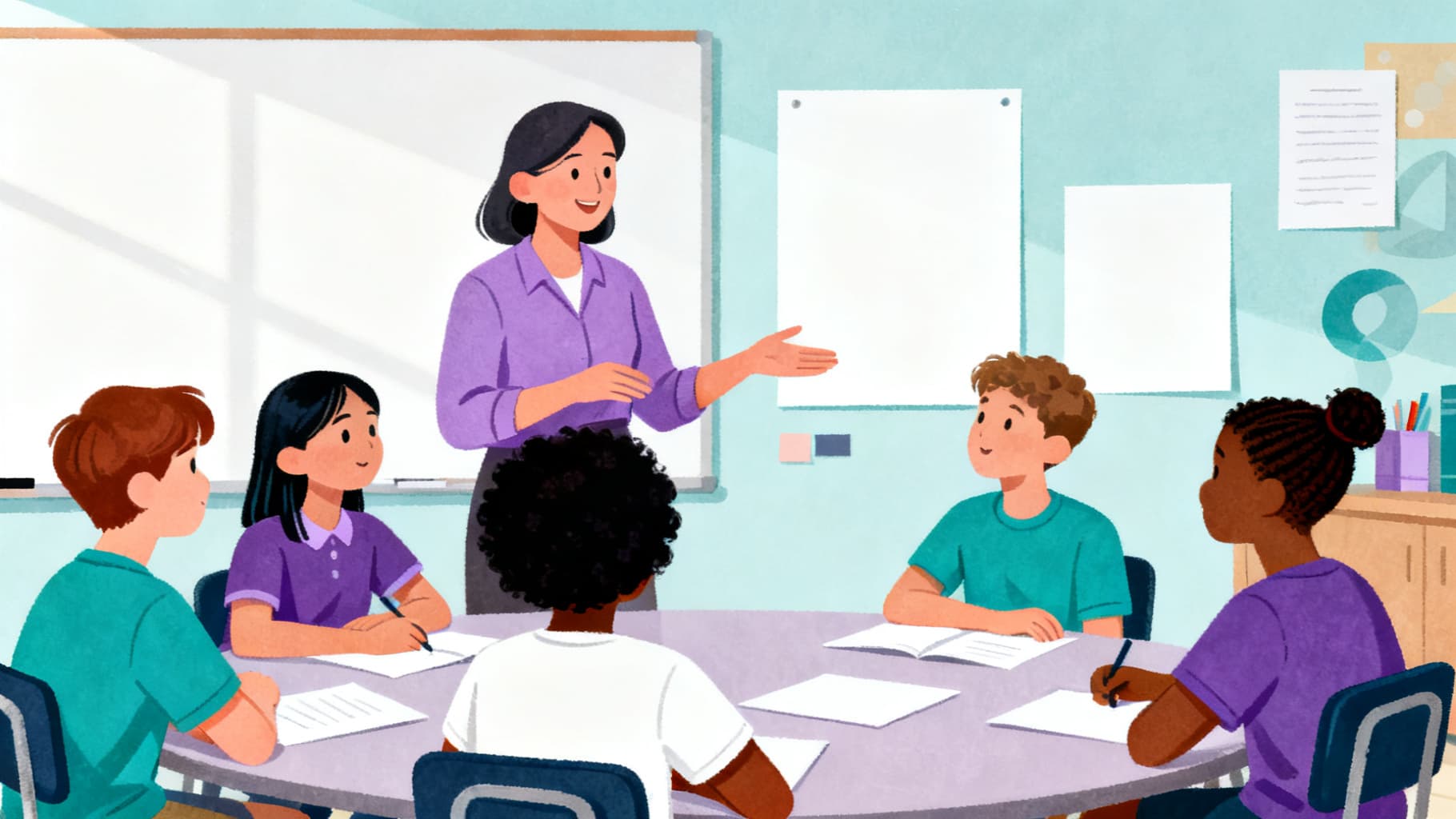
A WebQuest is a structured inquiry activity where students use web resources to investigate a central question and produce an evidence-based response. The model was developed by Bernie Dodge at San Diego State University in 1995 as a way to integrate internet research into classroom instruction without letting students drift aimlessly through search results.
Unlike a simple internet scavenger hunt, a WebQuest requires students to transform information rather than just locate it. Students analyze, synthesize, evaluate, and create something new based on what they find.
Core Components That Make a WebQuest Work
Every WebQuest follows a six-part structure: Introduction, Task, Process, Resources, Evaluation, and Conclusion. The Introduction hooks students with a scenario or question. The Task defines what students will produce. The Process breaks the work into manageable steps.
This structure removes ambiguity. Students know exactly what is expected, what sources to use, and how their work will be judged. Teachers spend less time answering procedural questions and more time coaching thinking.
Why WebQuests Support Critical Thinking
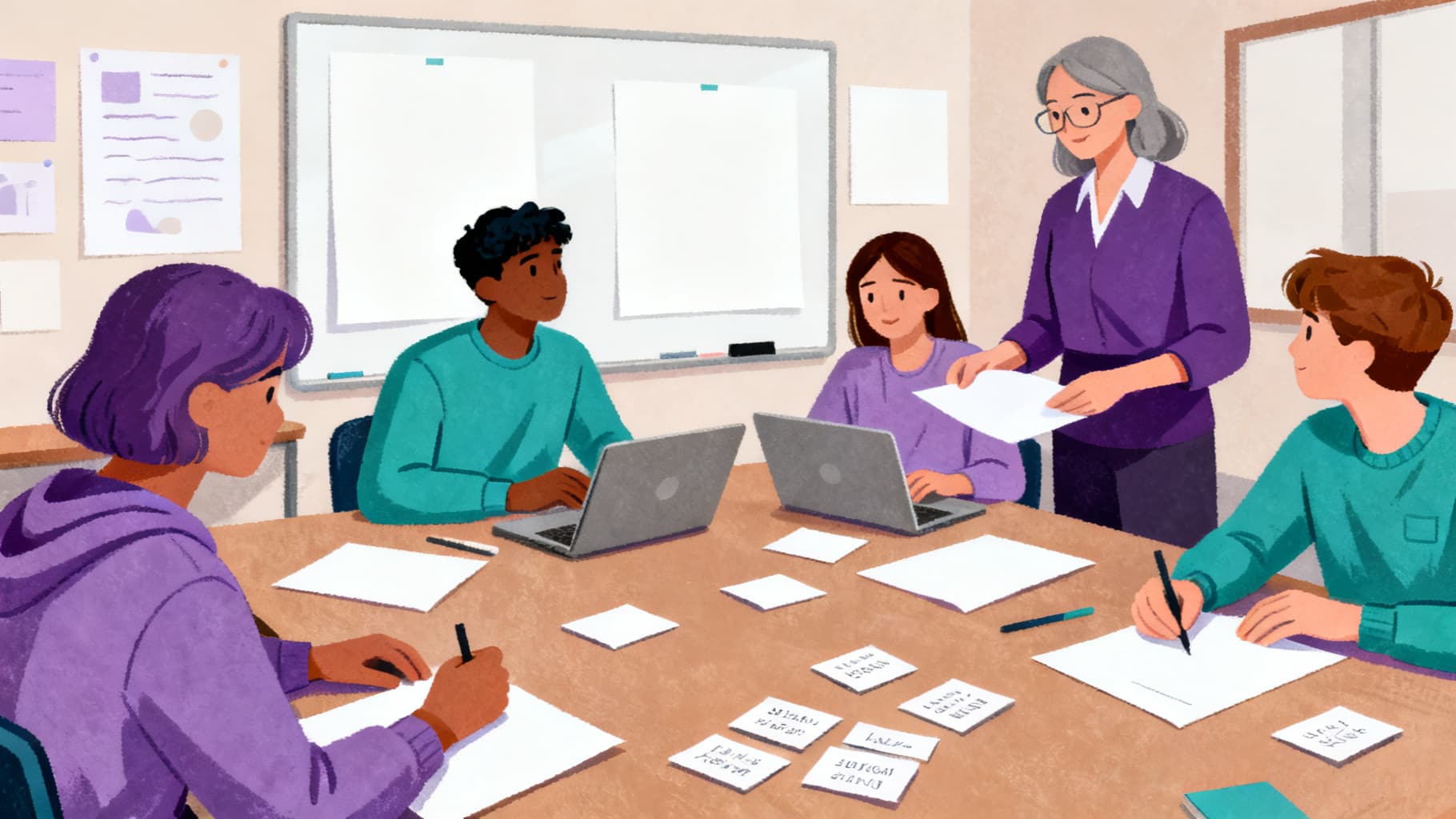
WebQuests push students beyond recall-level tasks. Instead of copying facts from a website, students must compare perspectives, weigh evidence, make decisions, or propose solutions. This aligns with higher-order thinking in Bloom's taxonomy.
Research on inquiry-based learning shows that students retain information longer and transfer skills more readily when they actively construct understanding. A well-designed WebQuest creates conditions for deep learning while keeping the activity manageable.
Common Misconceptions About WebQuests
Some teachers confuse WebQuests with any online research assignment. The key difference is transformation. If students are simply finding answers to factual questions, that is a worksheet with links, not a WebQuest.
Another misconception is that WebQuests require advanced technology skills. Students only need basic web browsing and document creation abilities. The cognitive challenge comes from the task design, not the technology.
Getting Started With Your First WebQuest
Start small. Choose a topic where students already have background knowledge, write one clear driving question, select three to five reliable sources, and define a product that takes one to two class periods to complete.
- Pick a topic with multiple valid perspectives
- Write a driving question that cannot be answered with a single search
- Pre-screen all resources for reading level and reliability
- Define the final product so students know what success looks like
- Plan a brief reflection activity to close the lesson
Helpful Related Resources
Related guide
WebQuest Rubric: How to Assess Student Work
Build a WebQuest rubric that evaluates research quality, evidence use, collaboration, presentation, and reflection.
Read guide →Related guide
The 6 Essential Parts of a WebQuest
Understand the essential parts of a WebQuest and how each section supports student inquiry and classroom management.
Read guide →Related guide
Math WebQuest Ideas for Problem Solving and Real-World Data
Create math WebQuest activities where students use data, models, budgets, maps, patterns, and real-world constraints to solve problems.
Read guide →Related guide
WebQuest Template for Teachers: Structure, Sections, and Examples
Use a practical WebQuest template to organize introduction, task, process, resources, evaluation, conclusion, and teacher notes.
Read guide →Sources and Further Reading
- WebQuest.org: Creating WebQuests: Original WebQuest community resource associated with Bernie Dodge.
- ERIC: Problem-Based Learning: What and How Do Students Learn?: Educational Psychology Review article record for Hmelo-Silver (2004).
- Cambridge Handbook of the Learning Sciences: Project-Based Learning: Krajcik and Shin chapter on project-based learning.
- Library of Congress: A Taxonomy for Learning, Teaching, and Assessing: Library of Congress record for Anderson and Krathwohl's revised Bloom taxonomy.
Ready to build your own?
Start with a structured WebQuest draft, then customize the resources, rubric, and student questions for your class.